Bill · H.R. 8663· House(119-HR-8663)
Fair Pay Act of 2026
- Introduced
- 5/4/2026
- Last activity
- 5/4/2026 — Referred to the House Committee on Education and Workforce.
- Sponsored by
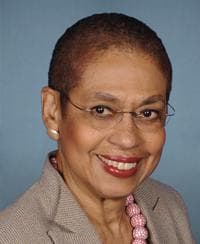
- Eleanor Norton
- Cosponsors
- None
- Introduced
- In Committee
What this bill would do
The Fair Pay Act of 2026 aims to amend the Fair Labor Standards Act of 1938. It seeks to prohibit employers from discriminating against employees regarding wages based on sex, race, or national origin. This prohibition applies to jobs that are considered equivalent in terms of skill, effort, responsibility, and working conditions. The bill also establishes new penalties, including compensatory and punitive damages for violators. Additionally, it mandates that employers keep specific records regarding their wage-setting methods.
Yes· 3 of 13
Would women be better off under this?+8
The bill specifically targets the gender pay gap and enhances legal remedies for women facing discrimination.
Does this narrow the gap between how men and women are treated?+8
The bill targets the gender pay gap by prohibiting wage differentials based on sex.
Does this narrow racial gaps in how people are treated?+7
The bill prohibits wage discrimination based on race or national origin for equivalent jobs.
The opposite
Does this make it easier to run a small business?-2
The bill imposes new record-keeping and reporting obligations on employers.
Who it would affect, and how
Potential Positive Impacts for People
-
Wage Equity: The bill prohibits paying employees different wages based on sex, race, or national origin for equivalent jobs, which could help close existing wage gaps (Section 3(a)(1)(A)).
-
Financial Security for Families: By addressing wage rate differentials, the bill aims to reduce poverty and improve living standards for employees and their families (Section 2(5)(A) and 2(5)(F)).
-
Reduced Poverty Rates: The bill's findings suggest that implementing these changes could cut the poverty rate for working women in half and significantly reduce the poverty rate for working single mothers (Section 2(6)(C)).
-
Increased Economic Income: The bill notes that providing equal pay could lead to additional income within the U.S. economy (Section 2(6)(A)).
-
Legal Protections for Workers: The bill adds protections that prevent employers from discriminating against workers who discuss their wages or participate in investigations regarding pay discrimination (Section 4(7) and 4(8)).
-
Enhanced Legal Remedies: Workers facing violations may be entitled to additional compensation through compensatory or punitive damages, as well as expert fees in class action lawsuits (Section 5(a) and 5(c)).
Potential Negative Impacts for People
-
Employer Burden of Proof: To use a factor like education or experience to justify a wage difference, an employer must demonstrate that the factor is job-related, furthers a legitimate business purpose, and was actually applied reasonably (Section 3(a)(1)(B)(iv)).
-
Reporting Requirements for Employers: Certain employers are required to prepare and submit reports to the Equal Employment Opportunity Commission disclosing wage rates and employee demographics (Section 6(b)).
-
Record-Keeping Mandates: Employers subject to the act must preserve detailed records regarding the methods and calculations used to establish wage rates (Section 6(a)).
Groups and Interests Ranking
Every group the model scored this bill for, from -10 to +10. Hover a score for the reason it gave.
- Demographic And Interest Groups
- Good For Women+8Good For African Americans+6Good For Hispanic Americans+6Good For Low Income Households+5Good For Middle Class Households+3Good For Union Workers+2
- Social Issues And Justice
- Improves Gender Equality+8Improves Racial Equity+7Improves Poverty Reduction+5
- Economy And Finance
- Improves Economic Growth+3Improves Union Protections+2Improves Small Business Support-2
- Governance And Ideology
- Improves Government Transparency+3
- Education And Technology
- Improves Student Loan Relief+2
- 5/4/2026
- Sponsor introductory remarks on measure. (CR E412)
- Referred to the House Committee on Education and Workforce.
- Introduced in House