Bill · H.R. 836· House(119-HR-836)
Emergency Wildfire Fighting Technology Act of 2025
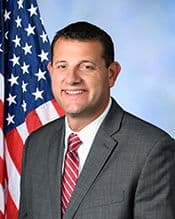
- Introduced
- 1/31/2025
- Last activity
- 2/6/2025 — Received in the Senate and Read twice and referred to the Committee on Agriculture, Nutrition, and Forestry.
- Sponsored by
- David Valadao
- Cosponsors
- - 2 - 3
- Introduced
- Passed House
- In Senate committee
What this bill would do
This Act, known as the ``Emergency Wildfire Fighting Technology Act of 2025'', directs federal action regarding wildfire suppression tools. It requires the Secretary of Agriculture and the Secretary of the Interior to perform a joint evaluation of the container aerial firefighting system (CAFFS). This evaluation aims to assess how the system is used to mitigate and suppress wildfires. The Secretaries must consult with the National Interagency Aviation Committee and the Interagency Airtanker Board during this process. Finally, a report containing the evaluation results must be submitted to specific congressional committees.
Yes· 3 of 4
Does this better protect air, water and wildlife?+3
The bill mandates an evaluation of aerial firefighting technology to better mitigate and suppress wildfires.
Does this improve help for people hit by a disaster?+3
The evaluation of firefighting systems aims to improve the effectiveness of wildfire suppression and disaster mitigation.
Does this invest in rural communities?+2
Improved wildfire suppression through technology evaluation can help protect rural lands and communities.
The opposite
No question was scored the opposite.
Who it would affect, and how
Potential Positive Impacts for People
-
Assessment of Firefighting Tools: The bill requires an evaluation of the container aerial firefighting system (CAFFS) to assess its use in mitigating and suppressing wildfires (Section 2, subsection a). This could lead to a better understanding of how to effectively fight wildfires.
-
Increased Accountability through Reporting: The Secretaries must submit a report on their findings to the appropriate congressional committees (Section 2, subsection b). This ensures that the results of the evaluation are shared with elected officials who represent the people.
Potential Negative Impacts for People
- No specific negative impacts or burdens are mentioned in the provided text.
Groups and Interests Ranking
Every group the model scored this bill for, from -10 to +10. Hover a score for the reason it gave.
- Environment Energy And Infrastructure
- Improves Disaster Relief And F E M A+3Improves Environmental Protections+3Improves Rural Development+2
- Demographic And Interest Groups
- Good For Rural Residents+2
- 2/6/2025
- Received in the Senate and Read twice and referred to the Committee on Agriculture, Nutrition, and Forestry.
- 2/5/2025
- Motion to reconsider laid on the table Agreed to without objection.
- Passed/agreed to in House: On motion to suspend the rules and pass the bill Agreed to by voice vote. (text: CR H478)
- On motion to suspend the rules and pass the bill Agreed to by voice vote. (text: CR H478)
- DEBATE - The House proceeded with forty minutes of debate on H.R. 836.
- Considered under suspension of the rules. (consideration: CR H478-480)
- Mr. Westerman moved to suspend the rules and pass the bill.
- 2/4/2025
- 4 Cosponsors added.
- 1/31/2025
- Referred to the Committee on Natural Resources, and in addition to the Committee on Agriculture, for a period to be subsequently determined by the Speaker, in each case for consideration of such provisions as fall within the jurisdiction of the committee concerned.
- 1 Cosponsor added.
- Introduced in House
 Mark Amodei
Republican · Nevada
 Jim Costa
Democrat · California
 Josh Harder
Democrat · California
 Dan Newhouse
Republican · Washington
 George Whitesides
Democrat · California