Bill · H.R. 8241· House(119-HR-8241)
Power for the People Act of 2026
- Introduced
- 4/9/2026
- Last activity
- 4/9/2026 — Referred to the House Committee on Energy and Commerce.
- Sponsored by
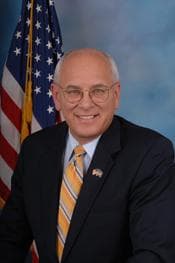
- Paul Tonko
- Cosponsors
- - 27 - 0
- Introduced
- In Committee
What this bill would do
The Power for the People Act of 2026 aims to mitigate the impact of data centers on electricity consumers by creating specific load queues and rate classes. The bill seeks to prevent households and businesses from subsidizing the rising energy costs and infrastructure needs driven by rapid data center growth. It directs the Federal Energy Regulatory Commission to require interconnection entities to establish load queues that prioritize data centers implementing specific energy and labor strategies. Additionally, the bill encourages states to adopt data center-specific rate classes to ensure owners pay for necessary grid upgrades. The legislation also includes provisions for technical assistance and grants to support these regulatory changes.
Yes· 3 of 13
Does this put more rules on large technology companies?+7
The bill imposes new regulatory requirements and load queues specifically for large-scale data centers.
Does this give people more protection from unfair business practices?+6
The bill protects electricity consumers from subsidizing the infrastructure costs of large data centers.
Would union members be better off under this?+6
The bill mandates prevailing wages and promotes the use of registered apprenticeship programs and labor peace agreements.
The opposite
Would business owners be better off under this?-3
The bill increases regulatory and infrastructure costs specifically for large-scale data center operators.
Who it would affect, and how
Potential Positive Impacts for People
-
Reduced Energy Costs for Ratepayers: The bill seeks to prevent households and businesses from paying for the energy and infrastructure demands of data centers through rising bills (Section 2).
-
Protection of Grid Reliability and Affordability: By creating load queues, the bill aims to ensure that data center interconnections do not create reliability risks or increase electricity costs for non-data center users (Section 4(a)(2)).
-
Job Creation and Higher Wages: The bill encourages data center development that provides good-paying job opportunities and requires construction workers to be paid prevailing wages (Section 4(b)(3)).
-
Support for Apprenticeships: The bill promotes the use of registered apprenticeship programs in the construction of data centers and energy resources (Section 4(b)(3)(B)).
-
Environmental Benefits: The bill prioritizes interconnection for data centers that bring low- or no-carbon energy resources to the grid, which helps minimize climate and environmental impacts (Section 4(b)(1)(F) and Section 4(d)).
-
Financial Assistance for States: The Secretary is directed to establish a program providing grants and technical assistance to help states create appropriate rate classes (Section 7(a)).
Potential Negative Impacts for People
-
Potential Delay in Data Center Interconnection: The creation of load queues may result in delaying or denying interconnection for data centers to protect grid reliability or affordability (Section 4(a)(2)).
-
Increased Costs for Data Center Operators: Data center owners may face new financial burdens, such as paying for required system upgrades, higher upfront interconnection study costs, and minimum demand charges (Section 2 and Section 6(a)(ii)).
-
Increased Costs for Transmission Upgrades: The bill directs the allocation of local transmission upgrade costs specifically to interconnecting data centers (Section 5(1)).
Groups and Interests Ranking
Every group the model scored this bill for, from -10 to +10. Hover a score for the reason it gave.
- Economy And Finance
- Improves Consumer Protection+6Improves Union Protections+5Increases Job Creation+3
- Environment Energy And Infrastructure
- Increases Renewable Energy Investment+5Reduces Carbon Emissions+5Improves Environmental Protections+4
- Demographic And Interest Groups
- Good For Union Workers+6Good For Low Income Households+5Good For Middle Class Households+5Good For Business Owners-3
- Governance And Ideology
- Increases Federal Power+5Improves Government Transparency+4Increase States Rights+3
- Education And Technology
- Increases Big Tech Regulation+7
- 9/16/2026
- 1 Cosponsor added.
- 9/1/2026
- 1 Cosponsor added.
- 8/27/2026
- 1 Cosponsor added.
- 7/22/2026
- 1 Cosponsor added.
- 6/18/2026
- 1 Cosponsor added.
- 4/30/2026
- 1 Cosponsor added.
- 4/27/2026
- 1 Cosponsor added.
- 4/22/2026
- 1 Cosponsor added.
- 4/21/2026
- 1 Cosponsor added.
- 4/20/2026
- 2 Cosponsors added.
- 4/9/2026
- Referred to the House Committee on Energy and Commerce.
- 16 Cosponsors added.
- Introduced in House
One bill Congress.gov lists as related to this one — companions in the other chamber, earlier versions, and bills this one absorbed or was folded into.
 Becca Balint
Democrat · Vermont
 Kathy Castor
Democrat · Florida
 Steve Cohen
Democrat · Tennessee
 Mark DeSaulnier
Democrat · California
 Madeleine Dean
Democrat · Pennsylvania
 Maxine Dexter
Democrat · Oregon
 Veronica Escobar
Democrat · Texas
 Sarah Elfreth
Democrat · Maryland
 Valerie Foushee
Democrat · North Carolina
 John Garamendi
Democrat · California
 Daniel Goldman
Democrat · New York
 Glenn Ivey
Democrat · Maryland
 Stephen Lynch
Democrat · Massachusetts
 Mike Levin
Democrat · California
 George Latimer
Democrat · New York
 Kweisi Mfume
Democrat · Maryland
 Betty McCollum
Democrat · Minnesota
 Jennifer McClellan
Democrat · Virginia
 April McClain Delaney
Democrat · Maryland
 Kristen McDonald Rivet
Democrat · Michigan
 Eleanor Norton
Democrat · District of Columbia
 Johnny Olszewski
Democrat · Maryland
 Chellie Pingree
Democrat · Maine
 Brittany Pettersen
Democrat · Colorado
 Mike Quigley
Democrat · Illinois
 Janice Schakowsky
Democrat · Illinois
 Lauren Underwood
Democrat · Illinois