Bill · H.R. 8009· House(119-HR-8009)
Student Protection and Success Act
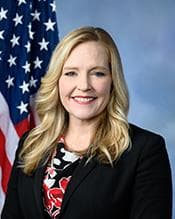
- Introduced
- 3/19/2026
- Last activity
- 3/19/2026 — Referred to the House Committee on Education and Workforce.
- Sponsored by
- Erin Houchin
- Cosponsors
- - 0 - 1
- Introduced
- In Committee
What this bill would do
The Student Protection and Success Act proposes amendments to the Higher Education Act of 1965. It establishes institutional ineligibility for programs if an institution's cohort repayment rate falls to or below 15 percent. The bill also introduces a College Opportunity Bonus Program that provides grants to institutions with cohort repayment rates above 25 percent. Additionally, it requires institutions of higher education to make risk-sharing payments based on their cohort nonrepayment loan balances. These risk-sharing payments are intended to fund the College Opportunity Bonus Program.
Yes· 3 of 5
Would households on low incomes be better off under this?+5
The College Opportunity Bonus Program specifically targets institutions that increase success and affordability for low-income students.
Does this make college cost less?+4
The College Opportunity Bonus Program provides grants to institutions to increase affordability and access for low-income students.
Would people in their twenties and thirties be better off under this?+3
The bill provides grants to institutions to support academic success and financial aid for students.
The opposite
Does this make it easier to run a small business?-2
The bill imposes mandatory risk-sharing payments on higher education institutions based on their loan nonrepayment balances.
Does this reduce what student borrowers owe or repay?-2
The bill increases institutional financial responsibility for student loan nonrepayment through mandatory risk-sharing payments.
Does this make housing cost less?-1
The bill's focus on institutional financial risk-sharing could indirectly affect the stability of student housing resources.
Who it would affect, and how
Potential Positive Impacts for People
-
Financial Assistance for Students: The College Opportunity Bonus Program provides grants to institutions to support reforms that increase college access and success for low- and moderate-income students, such as awarding additional need-based financial aid (Section 3).
-
Improved Student Support: Eligible institutions can use grant funds to enhance academic and student support services or expand accelerated learning opportunities (Section 3).
-
Focus on Success for Low-Income Students: The College Opportunity Bonus Program specifically targets institutions that have a strong record of making college more affordable and increasing success for low- and moderate-income students (Section 3).
Potential Negative Impacts for People
-
Loss of Program Eligibility: Institutions with a cohort repayment rate of 15 percent or less would become ineligible to participate in certain programs for themselves and the two succeeding fiscal years (Section 2).
-
Financial Burdens on Institutions: Institutions undergoing an unsuccessful appeal regarding their eligibility may be required to pay the Secretary an amount equal to the loans made to borrowers attending that institution, plus interest and related payments (Section 2).
-
Mandatory Risk-Sharing Payments: Institutions participating in the direct student loan program must remit risk-sharing payments to the Secretary based on their cohort nonrepayment loan balances (Section 4).
Groups and Interests Ranking
Every group the model scored this bill for, from -10 to +10. Hover a score for the reason it gave.
- Demographic And Interest Groups
- Good For Low Income Households+5Good For Students+3Good For Young Adults+3
- Economy And Finance
- Improves Small Business Support-2
- Education And Technology
- Improves College Affordability+4Improves Student Loan Relief-2
- Governance And Ideology
- Improves Government Transparency+2
- Social Issues And Justice
- Improves Affordable Housing-1
- 3/19/2026
- Referred to the House Committee on Education and Workforce.
- 1 Cosponsor added.
- Introduced in House
3 bills Congress.gov lists as related to this one — companions in the other chamber, earlier versions, and bills this one absorbed or was folded into.
 Marie Perez
Democrat · Washington