Bill · H.R. 7904· House(119-HR-7904)
Protecting America’s Working Dogs Act of 2026
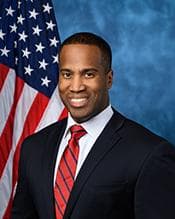
- Introduced
- 3/12/2026
- Last activity
- 3/12/2026 — Referred to the Committee on the Judiciary, and in addition to the Committees on Armed Services, and Veterans' Affairs, for a period to be subsequently determined by the Speaker, in each case for consideration of such provisions as fall within the jurisdiction of the committee concerned.
- Sponsored by
- John James
- Cosponsors
- None
- Introduced
- In Committee
What this bill would do
The "Protecting America's Working Dogs Act of 2026" requires the Attorney General to create a grant program to help pay for the medical expenses of qualified working dogs. Eligible nonprofit organizations can apply for grants up to $575,000 to provide financial assistance for these costs. Qualified dogs include retired Federal Government working dogs and service dogs working for veterans or retired Federal law enforcement officers. The program is intended to last for five fiscal years. The Attorney General must also report to Congress on the number of dogs assisted and the average cost of their medical expenses.
Yes· 3 of 10
Would veterans be better off under this, taking everything together?+7
Directly provides funding for the medical expenses of service dogs working for veterans.
Would people with disabilities be better off under this?+5
Assists individuals who rely on service dogs for accessibility and health.
Does this increase the pay, pensions or support veterans receive?+5
Provides financial aid for the medical care of service dogs associated with veterans.
The opposite
Does this reduce what is spent on the military?-1
Increases federal spending via the grant program.
Does this reduce what the federal government owes?-1
The bill creates a new grant program, which increases government spending.
Does this reduce what the federal government spends?-1
The bill authorizes the Attorney General to award grants, increasing federal expenditures.
Who it would affect, and how
Potential Positive Impacts for People
-
Financial relief for caregivers: The bill provides grants to help with "covered medical expenses," which reduces the financial hardship for individuals, such as former partners, who take in retired working dogs (Section 2 and Section 3(g)(1)).
-
Support for veterans and retired officers: The program extends medical expense assistance to service dogs that work for individuals who are veterans or retired Federal law enforcement officers (Section 3(g)(2)(B)).
-
Funding for specialized nonprofits: Nonprofit organizations that primarily care for qualified working dogs can receive grants up to $575,000 to fund medical treatment and care (Section 3(a)).
Potential Negative Impacts for People
-
Limited eligibility for nonprofits: Only nonprofits that allocate at least 70 percent of their spending toward program expenses for covered medical expenses and properly report veterinary expenses on IRS Form 990 are eligible for grants (Section 3(b)).
-
Grant amount reductions: The amount of money a nonprofit receives in a fiscal year will be reduced by any unexpended grant funds from previous years (Section 3(e)).
Groups and Interests Ranking
Every group the model scored this bill for, from -10 to +10. Hover a score for the reason it gave.
- Demographic And Interest Groups
- Good For Veterans+7Good For People With Disabilities+5Good For Retirees+4Good For Low Income Households+3Good For Middle Class Households+3
- Healthcare
- Improves Veterans Healthcare+4
- National Security And Foreign Policy
- Improves Veterans Benefits+5Reduces Military Spending-1
- Governance And Ideology
- Improves Government Transparency+2Increases Federal Power+1
- Social Issues And Justice
- Improves Disability Rights+3
- Economy And Finance
- Reduces Government Spending-1Reduces National Debt-1
- 3/12/2026
- Referred to the Committee on the Judiciary, and in addition to the Committees on Armed Services, and Veterans' Affairs, for a period to be subsequently determined by the Speaker, in each case for consideration of such provisions as fall within the jurisdiction of the committee concerned.
- Introduced in House