Bill · H.R. 7810· House(119-HR-7810)
Lowering Student Loans Act
- Introduced
- 3/4/2026
- Last activity
- 3/4/2026 — Referred to the House Committee on Education and Workforce.
- Sponsored by
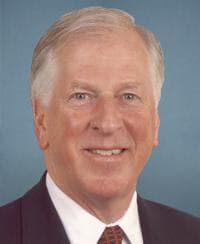
- Mike Thompson
- Cosponsors
- - 1 - 1
- Introduced
- In Committee
What this bill would do
The Lowering Student Loans Act seeks to amend the Higher Education Act of 1965. It establishes a fixed 2 percent interest rate for several types of Federal Direct loans, including Stafford and PLUS loans, for disbursements made on or after July 1, 2026. This 2 percent rate also applies to new and existing Federal Direct Consolidation Loans. For certain existing loans, the interest rate will be adjusted to 2 percent starting July 1, 2026. The bill includes provisions for borrower notice and an opt-out process regarding these interest rate adjustments.
Yes· 3 of 11
Would students be better off under this?+9
Students benefit directly through significantly reduced interest rates on current and future loans.
Would people in their twenties and thirties be better off under this?+8
Young adults seeking higher education will benefit significantly from much lower interest rates.
Does this make college cost less?+8
By capping interest rates at 2%, the bill significantly reduces the total cost of higher education for borrowers.
The opposite
Does this reduce what the federal government owes?-3
Lowering interest rates on existing federal debt through student loans may increase the federal deficit.
Does this reduce what the federal government spends?-3
The reduction in interest income for the government effectively increases the cost of the student loan program.
Does this make the government pay for what it commits to?-3
The bill reduces the interest revenue the government receives from its loan portfolio.
Who it would affect, and how
Potential Positive Impacts for People
-
Lower Interest Rates for New Loans: For Federal Direct Stafford, Unsubsidized Stafford, and PLUS loans where the first disbursement is on or after July 1, 2026, the interest rate is set at 2 percent (Section 2(a)(1)(A)(i)).
-
Lower Interest Rates for Existing Loans: For certain existing loans where the interest rate was higher than 2 percent, the rate will be adjusted to 2 percent starting July 1, 2026 (Section 2(a)(1)(A)(ii)).
-
Lower Interest Rates for Consolidation Loans: New Federal Direct Consolidation Loans applied for on or after July 1, 2026, will bear a 2 percent annual interest rate (Section 2(a)(1)(B)(i)).
-
Rate Reduction for Existing Consolidation Loans: Existing Federal Direct Consolidation Loans with interest rates higher than 2 percent will have their rates adjusted to 2 percent starting July 1, 2026 (Section 2(a)(1)(B)(ii)).
-
Consolidation Options for FFEL Borrowers: Borrowers of loans made, insured, or guaranteed under part B may consolidate those loans into a Federal Direct Consolidation Loan (Section 2(a)(1)(B)(iii)).
Potential Negative Impacts for People
-
Loss of Control Over Rate Adjustments: Borrowers with certain existing loans or consolidation loans will have their interest rates adjusted to 2 percent, though they are provided a way to opt out (Section 2(a)(1)(C)).
-
Requirement to Opt Out: To avoid the interest rate adjustment, borrowers must receive a notice and then opt out no later than 90 days after receiving that notice (Section 2(a)(1)(C)(ii)).
Groups and Interests Ranking
Every group the model scored this bill for, from -10 to +10. Hover a score for the reason it gave.
- Demographic And Interest Groups
- Good For Students+9Good For Young Adults+8Good For Low Income Households+6Good For Middle Class Households+5Good For Middle Aged+4
- Education And Technology
- Improves College Affordability+8Improves Student Loan Relief+7
- Economy And Finance
- Improves Consumer Protection+1Improves Economic Growth+1Improves Fiscal Responsibility-3Reduces Government Spending-3Reduces National Debt-3
- Governance And Ideology
- Increases Federal Power+1
- Social Issues And Justice
- Improves Poverty Reduction+1
- 4/9/2026
- 1 Cosponsor added.
- 3/4/2026
- Referred to the House Committee on Education and Workforce.
- 1 Cosponsor added.
- Introduced in House
 James Moylan
Republican · Guam
 Eleanor Norton
Democrat · District of Columbia