Bill · H.R. 7787· House(119-HR-7787)
To amend title VII of the Public Health Service Act to strengthen the mental health workforce, and for other purposes.
- Introduced
- 3/4/2026
- Last activity
- 3/4/2026 — Referred to the House Committee on Energy and Commerce.
- Sponsored by
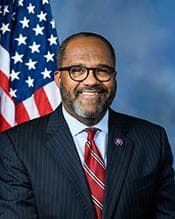
- Troy Carter
- Cosponsors
- - 2 - 2
- Introduced
- In Committee
What this bill would do
This bill amends the Public Health Service Act to create a mental health provider loan deferment and forgiveness program. Under this program, the Secretary will establish contracts with eligible individuals who agree to work full-time for at least 5 years as qualified mental health providers. Providers must work either as a solo provider or at an institution in an area designated as having a shortage of mental health professionals. Eligible individuals must be students or trainees at minority-serving institutions leading to a mental or behavioral health degree or certificate. The program allows loan principal payments to be deferred while interest is paid during the 5-year service period. After completing 5 consecutive years of service without defaulting, the Secretary will repay up to 100 percent or $200,000 of the total outstanding principal and interest on eligible loans.
Yes· 3 of 10
Would students be better off under this?+7
The bill provides direct financial relief through loan deferment and eventual forgiveness for students in specific fields.
Does this make mental health care easier to get?+7
The bill incentivizes providers to work in shortage areas, directly increasing access to mental health services.
Does this reduce what student borrowers owe or repay?+7
It creates a direct mechanism for substantial loan forgiveness after five years of service.
The opposite
No question was scored the opposite.
Who it would affect, and how
Potential Positive Impacts for People
-
Loan Forgiveness and Repayment: Under Section 742(b)(3), the Secretary will assume the obligation to repay up to 100 percent or $200,000 of eligible education loans for individuals who complete 5 consecutive years of full-time service as a qualified mental health provider. This benefits individuals by significantly reducing or eliminating their heavy student debt burdens.
-
Loan Deferment: Under Section 742(b)(2), periodic installments of loan principal do not need to be paid while the borrower is employed full-time as a qualified mental health provider for the 5-year period. This helps individuals by temporarily pausing their principal debt payments while they work.
-
Increased Mental Health Access in Shortage Areas: Under Section 742(a), participating providers must work either as solo providers or at institutions located in areas designated as having a shortage of mental health professionals. This provision directly benefits people living in underserved communities by increasing their access to necessary mental and behavioral health care services.
Potential Negative Impacts for People
- Interest Accumulation During Service: Under Section 742(b)(2), while loan principal payments are deferred during the 5-year service period, interest on the loan shall still accrue and must be paid by the borrower. This places a financial burden on individuals to continue making interest payments while working to earn their loan forgiveness.
Groups and Interests Ranking
Every group the model scored this bill for, from -10 to +10. Hover a score for the reason it gave.
- Demographic And Interest Groups
- Good For Students+7Good For Young Adults+5Good For Rural Residents+4
- Healthcare
- Improves Mental Health Access+7Improves Opioid Crisis Response+5Improves Healthcare Access+4
- Education And Technology
- Improves Student Loan Relief+7Improves College Affordability+6
- Social Issues And Justice
- Improves Racial Equity+5
- Governance And Ideology
- Increases Federal Power+3
- 9/28/2026
- 1 Cosponsor added.
- 3/4/2026
- Referred to the House Committee on Energy and Commerce.
- 3 Cosponsors added.
- Introduced in House
 Yvette Clarke
Democrat · New York
 Richard McCormick
Republican · Georgia
 Eleanor Norton
Democrat · District of Columbia
 Michael Turner
Republican · Ohio