Bill · H.R. 746· House(119-HR-746)
America First Act
- Introduced
- 1/28/2025
- Last activity
- 1/28/2025 — Referred to the Subcommittee on Economic Development, Public Buildings, and Emergency Management.
- Sponsored by
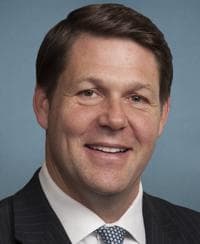
- Jodey Arrington
- Cosponsors
- - 4 - 0
- Introduced
- In Committee
What this bill would do
The "America First Act" aims to limit the eligibility of various non-citizens for federal benefits. It modifies several existing laws to narrow the scope of benefits for those with specific immigration statuses, such as parolees, those with temporary protected status, and those with deferred action. The bill also establishes stricter citizenship and immigration status verification requirements for various programs including Head Start, WIC, and school meals. Additionally, it imposes restrictions on the use of Federal Emergency Management Agency funds and Community Development Block Grant funds. The act also includes provisions to reduce funding for jurisdictions considered to be "sanctuaries" and limits certain refugee resettlement services.
Yes
Would middle-income households be better off under this?+1
The bill increases the amount of the Child Tax Credit.
Does this give the federal government more power?+1
The bill increases federal oversight and restrictions on state-level benefits and funding.
Does this cut taxes for middle-income families?+1
The bill increases the Child Tax Credit amount to $2,000.
The opposite· 3 of 21
Would immigrants be better off under this?-8
The bill significantly restricts access to various federal benefits and services for non-citizens.
Would households on low incomes be better off under this?-5
The bill curtails various public assistance programs that serve low-income populations.
Does this make it easier for immigrants already here to become citizens?-5
The bill imposes numerous restrictions on the benefits and status of non-citizens.
Who it would affect, and how
Potential Positive Impacts for People
- Tax Credit Adjustments: The bill increases the Child Tax Credit amount to $2,000 and adjusts the maximum amount of the refundable credit (Section 6).
Potential Negative Impacts for People
-
Limited Health Care Access: The bill limits Medicaid coverage for parolees, those with temporary protected status, DACA recipients, and those with asylum or withholding of removal (Section 4). It also limits Medicare coverage for these same groups (Section 4).
-
Reduced Educational and Nutritional Support: Certain non-citizens or their parents may become ineligible for Head Start programs (Section 3). Similar restrictions are placed on eligibility for WIC and school meals (Section 12).
-
Housing Assistance Restrictions: The bill restricts eligibility for certain assisted housing and the Single Family Housing Guaranteed Loan Program for individuals with specific immigration statuses (Section 5).
-
Financial Aid Limitations: Eligibility for postsecondary financial assistance is modified based on immigration status (Section 8).
-
Tax Credit Restrictions: The bill introduces new requirements for the Child Tax Credit and Earned Income Tax Credit, which include social security number and citizenship/lawful presence requirements (Section 6).
-
Reduced Refugee Services: The bill limits refugee resettlement and other services specifically for certain Haitian immigrants (Section 10).
-
FEMA Funding Prohibitions: The bill prohibits the use of FEMA funds for sheltering and related activities for certain non-citizens (Section 7).
-
Funding Reductions for Jurisdictions: The bill mandates a 50 percent reduction in ESEA grants for jurisdictions determined to be "sanctuary jurisdictions" (Section 9).
-
Restrictions on Community and Tax-Exempt Support: The bill prohibits the use of Community Development Block Grant funds to provide goods or services to certain non-citizens (Section 13). It also restricts tax-exempt organizations from using federal funding to support specific non-citizen groups (Section 13).
Groups and Interests Ranking
Every group the model scored this bill for, from -10 to +10. Hover a score for the reason it gave.
- Demographic And Interest Groups
- Good For Middle Class Households+1Good For Immigrants-8Good For Low Income Households-5Good For Hispanic Americans-4Good For Children-3Good For Students-3Good For Urban Residents-3
- Social Issues And Justice
- Improves Affordable Housing-5Improves Pathway To Citizenship-5Improves Poverty Reduction-4Reduces Homelessness-4Improves Childcare Affordability-3Improves Racial Equity-3
- Healthcare
- Improves Healthcare Access-5Increases Affordable Care Act Support-4Increases Medicaid Funding-4Increases Medicare Funding-3
- Education And Technology
- Increases Public School Funding-4Improves College Affordability-3
- Environment Energy And Infrastructure
- Improves Disaster Relief And F E M A-5
- Governance And Ideology
- Increases Federal Power+1Increase States Rights-3
- Economy And Finance
- Reduces Middle Class Taxes+1Reduces Government Spending-2
- 4/28/2025
- 1 Cosponsor added.
- 3/24/2025
- 1 Cosponsor added.
- 3/21/2025
- 1 Cosponsor added.
- 1/28/2025
- Referred to the Committee on Ways and Means, and in addition to the Committees on Education and Workforce, Financial Services, Transportation and Infrastructure, and Energy and Commerce, for a period to be subsequently determined by the Speaker, in each case for consideration of such provisions as fall within the jurisdiction of the committee concerned.
- Referred to the Subcommittee on Economic Development, Public Buildings, and Emergency Management.
- 1 Cosponsor added.
- Introduced in House
One bill Congress.gov lists as related to this one — companions in the other chamber, earlier versions, and bills this one absorbed or was folded into.
 Josh Brecheen
Republican · Oklahoma
 Brandon Gill
Republican · Texas
 Mary Miller
Republican · Illinois
 Chip Roy
Republican · Texas