Bill · H.R. 7288· House(119-HR-7288)
Western South Dakota Water Supply Project Feasibility Study Act
- Introduced
- 1/30/2026
- Last activity
- 4/16/2026 — Subcommittee Hearings Held
- Sponsored by
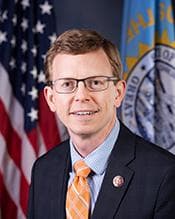
- Dusty Johnson
- Cosponsors
- None
- Introduced
- In Committee
What this bill would do
This bill, known as the ``Western South Dakota Water Supply Project Feasibility Study Act'', directs the Secretary of the Interior to study a specific water project. The study aims to determine if it is feasible to supply municipal, rural, and industrial water from the Missouri River to the Western Dakota Regional Water System. The Secretary must coordinate with the non-Federal project entity and various authorities during this process. Once finished, a feasibility report must be developed with a recommendation on construction and cost-sharing. This report must be submitted to specific Congressional committees and made public. The bill authorizes up to $10,000,000 for these purposes and expires 10 years after enactment.
Yes· 3 of 6
Would people in rural areas be better off under this?+5
The bill focuses on expanding water supply capabilities for rural water systems in South Dakota.
Does this invest in rural communities?+5
The bill studies a project specifically designed to provide water to rural water systems in Western South Dakota.
Does this make what the government does easier for the public to see?+3
The Secretary is required to make the feasibility report and associated documents publicly available.
The opposite
Does this reduce what the federal government spends?-1
The bill authorizes up to $10,000,000 in federal spending for the feasibility study.
Who it would affect, and how
Potential Positive Impacts for People
-
Water Supply Feasibility: The study looks into supplying municipal, rural, and industrial water from the Missouri River to the Western Dakota Regional Water System, which could address water needs for these groups (Section 2, Section 3).
-
Transparency and Public Information: The Secretary is required to make the feasibility report and associated documents publicly available, allowing people to see the findings (Section 3, subsection (a)(2)(B) and (C)).
-
Cooperation with Local Authorities: The bill requires the Secretary to consult and cooperate with Federal, State, Tribal, regional, and local authorities during the study (Section 3, subsection (a)(3)).
Potential Negative Impacts for People
-
Financial Burden on Non-Federal Entities: If the project is authorized, the non-Federal project entity may be required to pay at least 25 percent of the total construction costs, based on an analysis of their financial capability (Section 3, subsection (a)(2)(A)(ii)).
-
Cost-Sharing Obligations: The non-Federal project entity must enter into a cost-sharing or financial assistance agreement with the Secretary to conduct the study (Section 3, subsection (b)).
Groups and Interests Ranking
Every group the model scored this bill for, from -10 to +10. Hover a score for the reason it gave.
- Demographic And Interest Groups
- Good For Rural Residents+5Good For Business Owners+2
- Environment Energy And Infrastructure
- Improves Rural Development+5
- Governance And Ideology
- Improves Government Transparency+3
- Economy And Finance
- Increases Job Creation+2Reduces Government Spending-1
- Social Issues And Justice
- Improves Poverty Reduction+1
- 4/16/2026
- Subcommittee Hearings Held
- 4/9/2026
- Referred to the Subcommittee on Water, Wildlife and Fisheries.
- 1/30/2026
- Referred to the House Committee on Natural Resources.
- Introduced in House
One bill Congress.gov lists as related to this one — companions in the other chamber, earlier versions, and bills this one absorbed or was folded into.