Bill · H.R. 7282· House(119-HR-7282)
FRAMER Act
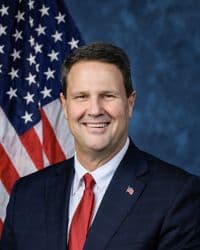
- Introduced
- 1/30/2026
- Last activity
- 1/30/2026 — Referred to the House Committee on Financial Services.
- Sponsored by
- Jeff Crank
- Cosponsors
- - 2 - 0
- Introduced
- In Committee
What this bill would do
The FRAMER Act seeks to incentivize States to avoid costly and burdensome energy code housing policies. Under this bill, States would be required to pay builders in opportunity zones the difference between their state energy code costs and the HUD Minimum Energy Standard. These payments must be made within 30 days after a dwelling unit is inspected and certified for occupancy. Builders who receive these payments must provide a disclosure document to the first buyer of the dwelling unit. The Comptroller General is required to submit annual reports on these payments to Congress. Finally, this provision is set to expire seven years after enactment.
Yes· 3 of 8
Would business owners be better off under this?+5
Builders are provided with a mechanism to be reimbursed for the extra costs of complying with state energy mandates.
Does this make housing cost less?+4
The bill incentivizes development in opportunity zones by compensating builders for higher state energy code costs, potentially lowering final sale prices.
Is this likely to create jobs?+3
The bill provides direct financial reimbursements to builders of residential units in opportunity zones, which may incentivize new construction projects.
The opposite
Does this better protect air, water and wildlife?-3
The bill seeks to disincentivize states from enacting more stringent and costly energy code requirements.
Who it would affect, and how
Potential Positive Impacts for People
-
Financial Reimbursement for Builders: Builders of covered dwelling units in opportunity zones would receive a payment equal to the difference between the cost of implementing state energy codes and the HUD Minimum Energy Standard, provided the state code is more expensive (Section 2(a)(1)).
-
Price Reductions for Homebuyers: The bill includes a disclosure requirement where builders must identify any portion of the reimbursement used to reduce the price of the covered dwelling unit (Section 2(a)(3)(B)).
Potential Negative Impacts for People
-
State Financial Burden: States may be required to provide payments to persons who built covered dwelling units in opportunity zones (Section 2(b)(1)).
-
Increased Disclosure Requirements for Builders: Persons who built a covered dwelling unit and received a reimbursement must provide a specific disclosure document to the first buyer of that unit (Section 2(a)(3)).
Groups and Interests Ranking
Every group the model scored this bill for, from -10 to +10. Hover a score for the reason it gave.
- Demographic And Interest Groups
- Good For Business Owners+5Good For Low Income Households+2Good For Urban Residents+2Good For Hispanic Americans+1
- Economy And Finance
- Improves Small Business Support+3Increases Job Creation+3Improves Economic Growth+2
- Social Issues And Justice
- Improves Affordable Housing+4
- Environment Energy And Infrastructure
- Improves Environmental Protections-3
- 2/23/2026
- 1 Cosponsor added.
- 2/17/2026
- 1 Cosponsor added.
- 1/30/2026
- Referred to the House Committee on Financial Services.
- Introduced in House
 Lauren Boebert
Republican · Colorado
 Gabe Evans
Republican · Colorado