Bill · H.R. 7279· House(119-HR-7279)
Nurse Faculty Shortage Reduction Act of 2026
- Introduced
- 1/30/2026
- Last activity
- 1/30/2026 — Referred to the House Committee on Energy and Commerce.
- Sponsored by
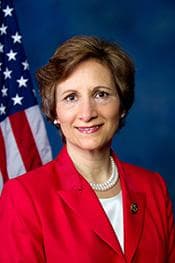
- Suzanne Bonamici
- Cosponsors
- - 3 - 4
- Introduced
- In Committee
What this bill would do
The Nurse Faculty Shortage Reduction Act of 2026 aims to support nursing schools through a wage differential program. This program allows the Secretary to provide grants to schools of nursing to supplement the salaries of faculty members. The goal is to enhance the recruitment and retention of these faculty members. Schools must apply and provide specific financial and staffing data to be eligible. These grants are intended to cover the difference between current faculty salaries and the average salary of nurses in clinical practice.
Yes· 3 of 7
Does this make health care easier to get in general?+5
By subsidizing nursing faculty salaries, the bill aims to increase the number of qualified instructors to address nursing shortages.
Is this likely to create jobs?+4
The bill provides grants to supplement salaries to enhance the recruitment and retention of nursing faculty.
Would households on low incomes be better off under this?+3
The bill prioritizes schools serving vulnerable patient populations often found in low-income areas.
The opposite
No question was scored the opposite.
Who it would affect, and how
Potential Positive Impacts for People
-
Nursing Faculty Recruitment and Retention: The program provides grants to supplement salaries, which is intended to help schools attract and keep qualified nursing faculty members (Section 2, subsection (c)(1)).
-
Financial Support for Faculty Salaries: Grants are awarded to schools to cover the difference between clinical nursing salaries and current faculty salaries, ensuring faculty members receive higher pay (Section 2, subsection (c)(3)(A)).
-
Support for Vulnerable Populations: Priority is given to schools that have training or partnerships serving vulnerable patient populations or those located in health professional shortage areas (Section 2, subsection (c)(4)(B)).
-
Diversity in Nursing Education: The program prioritizes applications from schools focused on the recruitment and retention of faculty from underrepresented populations (Section 2, subsection (c)(4)(C)).
Potential Negative Impacts for People
- Sustainability Concerns for Schools: Schools must submit a plan describing how they will find funding to continue these higher salaries after the 3-year grant period ends (Section 2, subsection (c)(2)(B)(iv)).
Groups and Interests Ranking
Every group the model scored this bill for, from -10 to +10. Hover a score for the reason it gave.
- Demographic And Interest Groups
- Good For African Americans+3Good For Hispanic Americans+3Good For Low Income Households+3Good For People With Disabilities+3
- Healthcare
- Improves Healthcare Access+5
- Economy And Finance
- Increases Job Creation+4
- Social Issues And Justice
- Improves Racial Equity+3
- 5/12/2026
- 2 Cosponsors added.
- 4/14/2026
- 1 Cosponsor added.
- 4/2/2026
- 1 Cosponsor added.
- 1/30/2026
- Referred to the House Committee on Energy and Commerce.
- 3 Cosponsors added.
- Introduced in House
One bill Congress.gov lists as related to this one — companions in the other chamber, earlier versions, and bills this one absorbed or was folded into.
 Nanette Barragán
Democrat · California
 Sharice Davids
Democrat · Kansas
 Brian Fitzpatrick
Republican · Pennsylvania
 David Joyce
Republican · Ohio
 Jennifer Kiggans
Republican · Virginia
 Daniel Meuser
Republican · Pennsylvania
 Lauren Underwood
Democrat · Illinois