Bill · H.R. 7228· House(119-HR-7228)
Maintain Access to Vital Social Security Services Act of 2026
- Introduced
- 1/22/2026
- Last activity
- 1/22/2026 — Referred to the House Committee on Ways and Means.
- Sponsored by
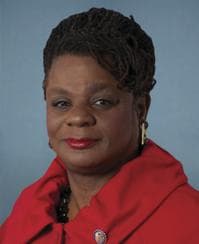
- Gwen Moore
- Cosponsors
- - 4 - 0
- Introduced
- In Committee
What this bill would do
The Maintain Access to Vital Social Security Services Act of 2026 aims to amend the Social Security Act to improve procedures regarding the closing or reduction of access to field offices. It requires the Commissioner to operate a sufficient number of offices and personnel to provide accessible services and meet projected workloads. The bill establishes a strict procedure for any action to close, consolidate, or reduce access to a field office. This process includes mandatory public notifications, public hearings, and opportunities for local government involvement. Additionally, it requires an Inspector General review of any health and safety claims before such actions can take effect. Finally, the act mandates a report to Congress detailing past closures and future service plans.
Yes· 3 of 6
Would people with disabilities be better off under this?+7
The bill requires specific impact mitigation plans for individuals with disabilities during office changes.
Does this strengthen Social Security?+7
The bill mandates sufficient staffing and office numbers to ensure accessible services and minimized wait-times for Social Security recipients.
Does this make what the government does easier for the public to see?+7
The bill establishes strict public notification, hearing, and reporting requirements for any changes to field office access.
The opposite
No question was scored the opposite.
Who it would affect, and how
Potential Positive Impacts for People
-
Improved Service Accessibility: The Commissioner is required to operate a sufficient number of offices and staff to provide "commprehensive, convenient, and accessible services" and minimize wait-times (Section 2(a)(1)).
-
Staffing Protections: The bill mandates that the number of personnel assigned to field offices cannot be less than the number assigned on January 1, 2025 (Section 2(a)(2)).
-
Community Transparency and Voice: Before any office is closed or reduced, the Commissioner must provide 180 days of notice, hold at least two public hearings in the affected area, and allow for written public comments (Section 2(b)(2) and 2(b)(3)).
-
Local Government Involvement: Local governments are given the opportunity to propose alternatives to the closing or reduction of a field office (Section 2(b)(2)(C)).
-
Protection for Vulnerable Populations: The bill requires the Commissioner to describe plans to mitigate service disruptions for vulnerable populations, including the elderly, individuals with disabilities, and those with language or mobility challenges (Section 2(b)(3)(A)(ii)).
-
Increased Accountability: The Inspector General must review health and safety claims regarding office actions to ensure compliance with laws and regulations before an action can take effect (Section 2(b)(5)).
Potential Negative Impacts for People
- Public Health Emergency Exception: The strict notification and procedural requirements for closing or reducing access to field offices do not apply during a public health emergency (Section 2(b)(1)(C)).
Groups and Interests Ranking
Every group the model scored this bill for, from -10 to +10. Hover a score for the reason it gave.
- Demographic And Interest Groups
- Good For People With Disabilities+7Good For Seniors+6Good For Low Income Households+5
- Social Issues And Justice
- Improves Social Security+7Improves Disability Rights+6
- Governance And Ideology
- Improves Government Transparency+7
- 8/31/2026
- 1 Cosponsor added.
- 1/30/2026
- 1 Cosponsor added.
- 1/22/2026
- Referred to the House Committee on Ways and Means.
- 2 Cosponsors added.
- Introduced in House
 André Carson
Democrat · Indiana
 Julie Johnson
Democrat · Texas
 Eleanor Norton
Democrat · District of Columbia
 Donald Norcross
Democrat · New Jersey