Bill · H.R. 7169· House(119-HR-7169)
UBER Act
- Introduced
- 1/21/2026
- Last activity
- 1/21/2026 — Referred to the House Committee on Oversight and Government Reform.
- Sponsored by
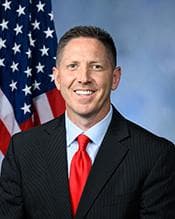
- Josh Brecheen
- Cosponsors
- - 3 - 0
- Introduced
- In Committee
What this bill would do
This bill, known as the "Understanding Basic English Requirements Act of 2026" or the "UBER Act," establishes specific driver requirements for companies seeking federal contracts. It mandates that drivers performing work under these agreements must be at least 21 years old and possess specific English language skills. Drivers must also be able to read and speak English well enough to interact with the public, law enforcement, and officials, while also understanding traffic signs and completing reports. Additionally, drivers must be able to safely operate their vehicles through experience or training, hold a valid driver's license from a single jurisdiction, and pass a road test. Companies must certify that their drivers meet these standards to remain eligible for federal agreements.
Yes
Would people with disabilities be better off under this?+5
The bill protects drivers who are deaf or hearing impaired by exempting them from the English proficiency requirement.
Does this expand the rights of people with disabilities?+5
The bill includes a specific exception to the English proficiency requirement for drivers who are deaf or hearing impaired and use American Sign Language.
Does this give the federal government more power?+3
The bill empowers executive agencies to set specific eligibility standards for federal contractors.
The opposite· 3 of 5
Would people in their twenties and thirties be better off under this?-5
The requirement that drivers be at least 21 years old prevents younger adults from qualifying for these contract positions.
Would Hispanic Americans be better off under this?-5
The English proficiency mandate may disproportionately affect Hispanic American drivers who are non-native speakers.
Is this likely to create jobs?-4
The bill establishes new age and English proficiency requirements that may reduce the pool of eligible drivers for federal contracts.
Who it would affect, and how
Potential Positive Impacts for People
-
Enhanced Communication and Safety: Under Section 2(a)(1)(B), drivers would be required to read and speak English well enough to converse with the general public, law enforcement, and officials, understand traffic signs, and complete records. This could ensure clearer communication during transit.
-
Protection for the Deaf and Hearing Impaired: Section 2(a)(2) provides an exception to the English proficiency requirement for drivers who are deaf or hearing impaired and use American Sign Language.
-
Verified Driving Competency: Section 2(a)(1)(C) and (E) require that drivers can safely operate their specific vehicle type through experience or training and have successfully completed a driver's road test, which addresses driver skill.
-
Standardized Licensing: Section 2(a)(1)(D) requires drivers to have a currently valid driver's license issued by only one State or jurisdiction.
Potential Negative Impacts for People
-
Strict Eligibility Barriers: Section 2(a)(1) creates several requirements that could limit who can work under these contracts, including an age minimum of 21 years old and specific English proficiency standards.
-
Strict Penalties for Companies: Under Section 2(b), any company found to be in non-compliance with the driver requirement certifications can be debarred from receiving Federal contracts for a period of 5 years.
Groups and Interests Ranking
Every group the model scored this bill for, from -10 to +10. Hover a score for the reason it gave.
- Demographic And Interest Groups
- Good For People With Disabilities+5Good For Hispanic Americans-5Good For Young Adults-5Good For Low Income Households-3
- Economy And Finance
- Increases Job Creation-4Improves Small Business Support-3
- Social Issues And Justice
- Improves Disability Rights+5
- Governance And Ideology
- Increases Federal Power+3
- 1/21/2026
- Referred to the House Committee on Oversight and Government Reform.
- 3 Cosponsors added.
- Introduced in House
One bill Congress.gov lists as related to this one — companions in the other chamber, earlier versions, and bills this one absorbed or was folded into.
 Randy Fine
Republican · Florida
 Barry Moore
Republican · Alabama
 Christopher Smith
Republican · New Jersey