Bill · H.R. 7021· House(119-HR-7021)
Critical Mineral Mining Education Act of 2026
- Introduced
- 1/12/2026
- Last activity
- 1/12/2026 — Referred to the House Committee on Foreign Affairs.
- Sponsored by
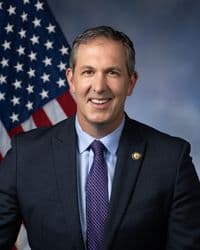
- Johnny Olszewski
- Cosponsors
- - 2 - 2
- Introduced
- In Committee
What this bill would do
The Critical Mineral Mining Education Act of 2026 seeks to address a significant personnel shortage in the United States mining industry. The bill establishes two new programs within the J. William Fulbright Educational Exchange Program. The first is the Critical Mineral Mining Fellowship Program, which sends United States students to mining institutions abroad to build workforce capacity. The second is the Visiting Mining Scholars Program, which brings foreign mining academics and professionals to the United States. These programs aim to reduce dependency on foreign energy and critical mineral supplies while enhancing global competitiveness. The bill authorizes $10,000,000 annually from 2026 through 2035 to fund these initiatives.
Yes· 3 of 9
Would students be better off under this?+7
The bill provides direct financial allowances for university fees, textbooks, and living expenses for fellows.
Would people in their twenties and thirties be better off under this?+6
The Fellowship Program provides significant financial support for students pursuing advanced degrees abroad.
Is this likely to create jobs?+5
The bill aims to build a robust and skilled workforce to fill gaps in the domestic mining industry.
The opposite
No question was scored the opposite.
Who it would affect, and how
Potential Positive Impacts for People
-
Workforce Development: The Fellowship Program aims to build the capacity of the United States mining workforce and fill gaps in the domestic critical mineral supply chain (Section 4(b)).
-
Economic Competitiveness: The program is intended to reduce dependency on foreign energy and critical mineral supplies, enhancing the competitiveness of the United States in the global marketplace (Section 4(b)).
-
Educational Advancement for Students: The Fellowship Program provides students with funding for university fees, living expenses, textbooks, and relocation costs to facilitate international study (Section 4(f)).
-
Expansion of Domestic Education: The Visiting Scholars Program aims to build and expand United States mining education programs at higher education institutions (Section 5(b)).
-
Knowledge Transfer: Visiting scholars are intended to provide technical assistance to help develop or expand mining education programs and assist in the development of curricula (Section 5(e)).
Potential Negative Impacts for People
-
Employment Restrictions: Fellows in the Fellowship Program must demonstrate an intent to seek employment specifically in the United States Government or at a United States-based approved organization (Section 4(d)(3)).
-
Time Constraints for Scholars: The duration of the Visiting Scholars Program is generally limited to no more than one year (Section 5(e)(3)(A)).
Groups and Interests Ranking
Every group the model scored this bill for, from -10 to +10. Hover a score for the reason it gave.
- Demographic And Interest Groups
- Good For Students+7Good For Young Adults+6Good For Business Owners+4
- Economy And Finance
- Increases Job Creation+5Improves Economic Growth+4
- Education And Technology
- Increases Scientific Research Funding+5Increases Public School Funding+3
- National Security And Foreign Policy
- Improves International Alliances+3
- Environment Energy And Infrastructure
- Improves Environmental Protections+2
- 2/9/2026
- 1 Cosponsor added.
- 1/12/2026
- Referred to the House Committee on Foreign Affairs.
- 3 Cosponsors added.
- Introduced in House
One bill Congress.gov lists as related to this one — companions in the other chamber, earlier versions, and bills this one absorbed or was folded into.
 Ami Bera
Democrat · California
 Bill Huizenga
Republican · Michigan
 Young Kim
Republican · California
 Eugene Vindman
Democrat · Virginia