Bill · H.R. 6981· House(119-HR-6981)
SHINE Act of 2026
- Introduced
- 1/8/2026
- Last activity
- 1/8/2026 — Referred to the House Committee on Energy and Commerce.
- Sponsored by
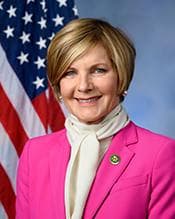
- Susie Lee
- Cosponsors
- - 1 - 2
- Introduced
- In Committee
What this bill would do
The SHINE Act of 2026 directs the Secretary of Energy to create a program aimed at streamlining the permitting and inspection process for distributed energy systems. This includes equipment like solar, wind, battery storage, and electric vehicle charging. The Secretary is tasked with developing an online permitting platform and a voluntary inspection protocol. The program will provide technical assistance and training to various authorities. It also allows for the certification of local authorities and the awarding of prizes to encourage adoption. The bill authorizes $20,000,000 annually from fiscal year 2027 through 2030 to fund these efforts.
Yes· 3 of 9
Does this put more money into wind, solar and other renewable power?+5
The act provides funding and technical assistance specifically to facilitate the deployment of renewable energy systems.
Does this cut the pollution that drives climate change?+4
The bill encourages the adoption of solar, wind, and battery storage, which helps transition away from fossil fuels.
Is this likely to create jobs?+3
By streamlining the permitting process for renewable energy technologies, the bill facilitates easier installation and adoption which supports industry growth.
The opposite
No question was scored the opposite.
Who it would affect, and how
Potential Positive Impacts for People
-
Streamlined Permitting and Inspections: The bill aims to expedite, standardize, and streamline the process for permitting and inspecting qualifying distributed energy systems through an online platform and new protocols (Section 2(c)(1) and Section 2(c)(4)).
-
Support for Renewable Energy Adoption: The program supports the adoption of various technologies including solar photovoltaic systems, wind power, battery storage of at least 2 kilowatt hours, and electric vehicle charging or refueling (Section 2(a)(2)).
-
Technical and Financial Assistance: Authorities having jurisdiction, platform administrators, and government software providers can receive technical assistance and determined financial assistance to implement these new processes (Section 2(d)).
-
Incentives for Local Authorities: The Secretary may award prizes to encourage authorities to adopt the streamlined permitting process or the voluntary inspection protocol (Section 2(e)(3)).
Potential Negative Impacts for People
- No negative impacts are explicitly stated in the provided text.
Groups and Interests Ranking
Every group the model scored this bill for, from -10 to +10. Hover a score for the reason it gave.
- Environment Energy And Infrastructure
- Increases Renewable Energy Investment+5Reduces Carbon Emissions+4Improves Public Transit+2
- Economy And Finance
- Increases Job Creation+3Improves Economic Growth+2
- Demographic And Interest Groups
- Good For Middle Class Households+2Good For Urban Residents+1
- Governance And Ideology
- Improves Government Transparency+2
- Education And Technology
- Increases Scientific Research Funding+1
- 1/8/2026
- Referred to the House Committee on Energy and Commerce.
- 3 Cosponsors added.
- Introduced in House
One bill Congress.gov lists as related to this one — companions in the other chamber, earlier versions, and bills this one absorbed or was folded into.
 Juan Ciscomani
Republican · Arizona
 Michael Lawler
Republican · New York
 Paul Tonko
Democrat · New York