Bill · H.R. 6979· House(119-HR-6979)
PLAY Act of 2026
- Introduced
- 1/8/2026
- Last activity
- 1/8/2026 — Referred to the Committee on Ways and Means, and in addition to the Committees on Education and Workforce, and Energy and Commerce, for a period to be subsequently determined by the Speaker, in each case for consideration of such provisions as fall within the jurisdiction of the committee concerned.
- Sponsored by
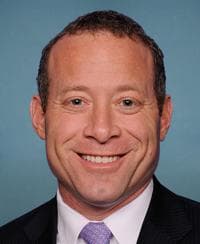
- Josh Gottheimer
- Cosponsors
- - 0 - 1
- Introduced
- In Committee
What this bill would do
The PLAY Act of 2026 aims to support youth sports by amending the Internal Revenue Code and establishing a new grant program. It modifies the Child and Dependent Care Tax Credit to include expenses for youth physical activities. The bill also increases the dollar amount allowed for Dependent Care Flexible Spending Arrangements. Additionally, it creates a competitive grant program through the Secretary of Health and Human Services to expand access to recreational youth sports. These changes are intended to decrease participation costs and promote healthy habits among youth.
Yes· 3 of 14
Would children be better off under this?+7
The bill expands access to and decreases the cost of recreational youth sports and physical activities.
Would middle-income households be better off under this?+5
The bill provides tax relief and increases the capacity of dependent care flexible spending arrangements.
Would students be better off under this?+5
The bill lowers the cost of engaging in physical activities and sports for youth.
The opposite
No question was scored the opposite.
Who it would affect, and how
Potential Positive Impacts for People
-
Tax Credit for Physical Activities: The bill amends the Child and Dependent Care Tax Credit to allow for expenses related to youth physical activities, such as fitness facility memberships, instruction, and certain equipment (Section 2).
-
Increased Flexible Spending Limits: The bill increases the amount an employee can elect for salary reduction contributions to a dependent care flexible spending arrangement to $12,000 for single parents (Section 3).
-
Reduced Costs for Youth Sports: The establishment of a grant program is intended to decrease the costs of participating in recreational youth sports for families (Section 5).
-
Promotion of Health and Socialization: The grant program aims to promote healthy habits, physical activity, and socialization among youth (Section 5).
Potential Negative Impacts for People
-
Restrictions on Equipment Purchases: For certain items of sports equipment, the ability to use funds is limited to amounts that do not exceed $250 per single item (Section 4).
-
Exclusions for Specific Activities: Under the youth physical activities definition, funds cannot be used for tournament entries, private lessons, training, or camps (Section 4).
-
Restrictions on Facility Use: Fitness facilities that offer golf, hunting, sailing, or riding facilities are excluded from the definition of a qualifying fitness facility (Section 4).
-
Grant Limitations on Program Types: Grants cannot be used to fund sports programs that are competitive, elite, or selective (Section 5).
-
Grant Limitations on Infrastructure: Grants may not be used for the construction or upgrading of facilities (Section 5).
Groups and Interests Ranking
Every group the model scored this bill for, from -10 to +10. Hover a score for the reason it gave.
- Demographic And Interest Groups
- Good For Children+7Good For Middle Class Households+5Good For Students+5Good For Low Income Households+4Good For Native Americans+4Good For Middle Aged+3Good For Veterans+3Good For Women+3Good For High Income Households+2
- Economy And Finance
- Reduces Middle Class Taxes+5Improves Economic Growth+2
- Social Issues And Justice
- Improves Poverty Reduction+2Improves Racial Equity+2
- Healthcare
- Improves Opioid Crisis Response+1
- 1/8/2026
- Referred to the Committee on Ways and Means, and in addition to the Committees on Education and Workforce, and Energy and Commerce, for a period to be subsequently determined by the Speaker, in each case for consideration of such provisions as fall within the jurisdiction of the committee concerned.
- 1 Cosponsor added.
- Introduced in House
 Michael Lawler
Republican · New York