Bill · H.R. 6834· House(119-HR-6834)
STORE Act of 2025
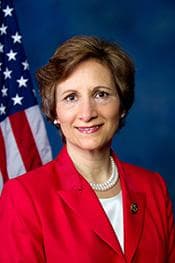
- Introduced
- 12/18/2025
- Last activity
- 5/20/2026 — Referred to the Subcommittee on Nutrition and Foreign Agriculture.
- Sponsored by
- Suzanne Bonamici
- Cosponsors
- - 3 - 0
- Introduced
- In Committee
What this bill would do
The STORE Act of 2025 aims to address infrastructure needs for food banks serving rural communities. It amends the Emergency Food Assistance Act of 1983 to improve the EFAP Infrastructure Grants Program. The bill updates how grants are distributed and what activities they can support, such as mobile and home delivery options. It also expands the types of organizations eligible for these funds to include governmental and Tribal entities. Additionally, the bill directs the Secretary of Agriculture to conduct a national study on cold storage and transportation shortages. Finally, it increases funding for the grant program through the year 2030.
Yes· 3 of 5
Would households on low incomes be better off under this?+6
The bill enhances food distribution infrastructure and delivery options specifically for low-income communities.
Would people in rural areas be better off under this?+6
The bill specifically targets infrastructure needs for food banks serving rural and remote communities.
Does this invest in rural communities?+6
The bill prioritizes food infrastructure and delivery services for rural and remote communities.
The opposite
No question was scored the opposite.
Who it would affect, and how
Potential Positive Impacts for People
-
Increased Grant Funding: The bill increases the grant amount to $25,000,000 for each of the fiscal years 2026 through 2030, which could provide more resources for food infrastructure (Section 2).
-
Expanded Delivery Options: The amendment allows for the expansion of mobile and home delivery options, which can help get food to those in need (Section 2).
-
Broader Organizational Support: By including governmental and Tribal organizations in the grant process, more groups can participate in distributing food (Section 2).
-
Focus on Underserved Areas: The bill places a preference on Tribal, low income, and remote communities, aiming to help those in specific underserved areas (Section 2).
-
Improved Food Distribution Efficiency: The language regarding grants is updated to support activities needed to "safely and efficiently distribute food to people in need" (Section 2).
-
National Assessment of Needs: The required study will look into shortages of refrigerated and frozen storage, as well as delivery vehicles, to understand the total emergency food needs of communities (Section 3).
Potential Negative Impacts for People
- Administrative Cost Cap: The bill sets a limit where not more than 10 percent of grants can be used for administrative costs to carry out the section (Section 2).
Groups and Interests Ranking
Every group the model scored this bill for, from -10 to +10. Hover a score for the reason it gave.
- Demographic And Interest Groups
- Good For Low Income Households+6Good For Rural Residents+6Good For Native Americans+5
- Environment Energy And Infrastructure
- Improves Rural Development+6
- Social Issues And Justice
- Improves Poverty Reduction+5
- 5/20/2026
- Referred to the Subcommittee on Nutrition and Foreign Agriculture.
- 12/18/2025
- Referred to the House Committee on Agriculture.
- 3 Cosponsors added.
- Introduced in House
 Eleanor Norton
Democrat · District of Columbia
 Kim Schrier
Democrat · Washington
 Andrea Salinas
Democrat · Oregon