Bill · H.R. 6799· House(119-HR-6799)
BRIDGE for Young-Onset Alzheimer’s Disease Act of 2025
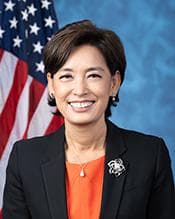
- Introduced
- 12/17/2025
- Last activity
- 12/17/2025 — Referred to the House Committee on Ways and Means.
- Sponsored by
- Young Kim
- Cosponsors
- - 7 - 11
- Introduced
- In Committee
What this bill would do
This bill is called the Bridging Relief in Delayed Government Enrollment for Young-Onset Alzheimer's Disease Act of 2025 or the BRIDGE for Young-Onset Alzheimer's Disease Act of 2025. It changes title II of the Social Security Act to get rid of waiting periods for certain benefits. Specifically, it eliminates the waiting periods for disability insurance benefits for individuals with young-onset Alzheimer's. It also removes the 24-month waiting period for Medicare coverage for these individuals. The changes for disability insurance benefits apply to applications filed after the date that is five months before the enactment of this Act. The changes for Medicare coverage apply to benefits for months beginning after the date of the enactment of this Act.
Yes· 3 of 11
Would people with disabilities be better off under this?+9
Provides critical financial and health support for individuals with a severe cognitive disability.
Would people in middle age be better off under this?+8
Directly benefits middle-aged adults suffering from young-onset Alzheimer's.
Does this expand the rights of people with disabilities?+8
Recognizes the severity of young-onset Alzheimer's by removing administrative hurdles to disability benefits.
The opposite
Does this reduce what the federal government owes?-1
Eliminating waiting periods for benefits may slightly increase government spending on Social Security and Medicare.
Does this reduce what the federal government spends?-1
The bill increases the number of people eligible for immediate benefits, potentially increasing federal expenditures.
Does this make the government pay for what it commits to?-1
Expands benefit eligibility without specifying an offsetting funding source.
Who it would affect, and how
Potential Positive Impacts for People
-
Section 2 gets rid of the waiting period for disability insurance benefits for individuals with young-onset Alzheimer's, which is a positive outcome because it allows affected individuals to receive their disability insurance benefits without having to wait.
-
Section 3 waives the 24-month waiting period for Medicare coverage for individuals with young-onset Alzheimer's, which is a positive outcome because it gives these individuals faster access to Medicare coverage.
Potential Negative Impacts for People
- Based on the provided text, there are no negative consequences, burdens, sections, or provisions identified that would negatively impact individuals or groups of people in the United States.
Groups and Interests Ranking
Every group the model scored this bill for, from -10 to +10. Hover a score for the reason it gave.
- Demographic And Interest Groups
- Good For People With Disabilities+9Good For Middle Aged+8Good For High Income Households+7Good For Low Income Households+7Good For Middle Class Households+7Good For Young Adults+5
- Social Issues And Justice
- Improves Disability Rights+8Improves Social Security+7Improves Poverty Reduction+6
- Healthcare
- Improves Healthcare Access+8Increases Medicare Funding+2
- Economy And Finance
- Improves Fiscal Responsibility-1Reduces Government Spending-1Reduces National Debt-1
- 9/21/2026
- 1 Cosponsor added.
- 9/14/2026
- 3 Cosponsors added.
- 9/8/2026
- 1 Cosponsor added.
- 8/27/2026
- 1 Cosponsor added.
- 8/3/2026
- 1 Cosponsor added.
- 6/29/2026
- 1 Cosponsor added.
- 6/25/2026
- 1 Cosponsor added.
- 6/23/2026
- 1 Cosponsor added.
- 5/20/2026
- 1 Cosponsor added.
- 5/7/2026
- 1 Cosponsor added.
- 4/29/2026
- 1 Cosponsor added.
- 3/4/2026
- 1 Cosponsor added.
- 2/4/2026
- 1 Cosponsor added.
- 12/17/2025
- Referred to the House Committee on Ways and Means.
- 3 Cosponsors added.
- Introduced in House
 Jake Auchincloss
Democrat · Massachusetts
 Vern Buchanan
Republican · Florida
 Don Bacon
Republican · Nebraska
 Nanette Barragán
Democrat · California
 Nicholas Begich
Republican · Alaska
 Emanuel Cleaver
Democrat · Missouri
 Valerie Foushee
Democrat · North Carolina
 Josh Gottheimer
Democrat · New Jersey
 Daniel Goldman
Democrat · New York
 Jahana Hayes
Democrat · Connecticut
 Jeff Hurd
Republican · Colorado
 Jonathan Jackson
Democrat · Illinois
 Jennifer Kiggans
Republican · Virginia
 Darin LaHood
Republican · Illinois
 Kevin Mullin
Democrat · California
 Sarah McBride
Democrat · Delaware
 Paul Tonko
Democrat · New York
 Robert Wittman
Republican · Virginia