
A Republican bill with 1 Republican cosponsor · See the cosponsor
Last activity — Referred to the House Committee on Foreign Affairs.
In committee
Introduced and handed to a committee in the chamber it started in.
The committee holds it, and most bills are never heard from again. A hearing or a committee vote would be news; silence is the usual outcome, and it kills the bill without anyone voting against it.
Its path through Congress
- Introduced
- In Committee
What this bill would do
The bill, known as the Safe Passages Act of 2025, establishes a global initiative to reduce maternal and child mortality in low- and lower-middle-income countries through fiscal year 2030. It sets aside at least $400 million annually from the Global Health Programs account to fund health training, medical resources, and emergency obstetric equipment. The program focuses on equipping local providers and faith-based partnerships to handle the leading causes of pregnancy-related deaths and complications. Additionally, the legislation provides nutritional and health education for mothers and children during the first 1,000 days of life, while promoting natural fertility methods and father involvement. Finally, the bill explicitly prohibits the use of these funds for abortion or abortion-related services and mandates regular reporting to Congress on the program's effectiveness.
Yes· 3 of 16
- Scored +8
Would children be better off under this?
The bill provides extensive nutritional resources and health education during the critical first 1,000 days of life to reduce child mortality and stunting.
- Scored +8
Would households on low incomes be better off under this?
The legislation explicitly targets low- and lower-middle-income countries and under-resourced populations experiencing high mortality rates.
- Scored +8
Does this make health care easier to get in general?
The bill significantly expands training, medical resources, and emergency obstetric equipment for local healthcare providers in low- and lower-middle-income countries.
The opposite
- Scored -7
Does this make abortion easier to get?
The legislation explicitly prohibits the use of program funds for abortion or abortion-related services.
- Scored -2
Does this reduce what the federal government spends?
The bill allocates at least $400 million annually from existing Global Health Programs accounts for maternal and child health initiatives.
Who it would affect, and how
Potential Positive Impacts for People
-
Training and Medical Resources for Local Providers: Section 3 and Section 4(b) establish training and provide emergency obstetric equipment to local healthcare providers like midwives, physicians, and community health workers to prevent and manage leading causes of maternal and perinatal death. This is positive because it directly targets treatable conditions like postpartum hemorrhage and preeclampsia, helping to save the lives of mothers and infants in under-resourced settings.
-
Nutrition and Health Support for the First 1,000 Days: Section 4(b)(6) provides nutritional and health education for mothers and supplies nutritional resources for mothers and children from conception to two years of age. This provision is positive as it aims to reduce child malnutrition, stunting, and early childhood illness during a critical developmental window.
-
Support for Fathers' Involvement: Section 4(b)(8) and Section 5(b)(7) promote increasing fathers' support and involvement in the care of mothers and children. This can be considered positive because increased paternal engagement is correlated with higher prenatal care utilization, enhanced skilled birth attendance, and improved neonatal survival.
Potential Negative Impacts for People
- Restriction on Abortion Services: Section 5(a) and Section 5(b)(3) explicitly state that assistance funds shall not be used for abortion, abortion-related services, or elective abortions. For individuals or groups seeking comprehensive reproductive healthcare that includes abortion services, this restriction may be considered a negative limitation on bodily autonomy and medical care options.
Groups and Interests Ranking
Every group the model scored this bill for, from -10 to +10. Tap or hover a score for the reason it gave.
- Demographic And Interest Groups
- Would children be better off under this? — The bill provides extensive nutritional resources and health education during the critical first 1,000 days of life to reduce child mortality and stunting. Would households on low incomes be better off under this? — The legislation explicitly targets low- and lower-middle-income countries and under-resourced populations experiencing high mortality rates. Would women be better off under this? — The bill directly targets leading causes of maternal mortality, such as hemorrhage and preeclampsia, saving women's lives globally. Would people in their twenties and thirties be better off under this? — Young parents and mothers benefit directly from maternal healthcare access and fertility awareness education. Would people in rural areas be better off under this? — The initiative heavily supports rural healthcare facilities, local birth attendants, and transport systems in developing regions. Would men be better off under this? — The bill actively promotes fathers' engagement, education, and involvement in family health and child-rearing support.
- National Security And Foreign Policy
- Does this send more money or help to other countries? — The bill directs at least $400 million annually in global health assistance toward international maternal and child health initiatives. Does this strengthen ties with allied countries? — Collaborating with foreign governments and local organizations enhances international developmental partnerships. Does this favour talking over confrontation abroad? — Engaging foreign health systems and local entities fosters positive diplomatic relations through global health outreach.
- Social Issues And Justice
- Does this narrow the gap between how men and women are treated? — The initiative focuses heavily on reducing maternal mortality and improving health outcomes specifically for women. Does this protect the freedom to practise a religion? — The bill specifically prioritizes local faith-based providers and faith-based organizations for program implementation.
- Governance And Ideology
- Does this make what the government does easier for the public to see? — The legislation mandates rigorous biennial reporting to Congress regarding program effectiveness, trainings, and data outcomes. Does this give the federal government more power? — The bill mandates specific federal reporting, oversight, and allocation requirements through the Department of State.
- Environment Energy And Infrastructure
- Does this invest in rural communities? — The program heavily targets under-resourced and rural healthcare facilities in low-income countries with infrastructure and referral support.
- Healthcare
- Does this make health care easier to get in general? — The bill significantly expands training, medical resources, and emergency obstetric equipment for local healthcare providers in low- and lower-middle-income countries. Does this make mental health care easier to get? — The bill provides training and response support for postpartum mental health conditions. Does this make abortion easier to get? — The legislation explicitly prohibits the use of program funds for abortion or abortion-related services.
- Economy And Finance
- Does this reduce what the federal government spends? — The bill allocates at least $400 million annually from existing Global Health Programs accounts for maternal and child health initiatives.
- 12/16/2025
- Referred to the House Committee on Foreign Affairs.
- 1 Cosponsor added.
- Introduced in House
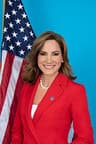 Maria Salazar
Republican · Florida