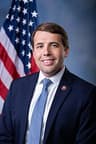
A Democratic bill with 1 Democratic cosponsor · See the cosponsor
Last activity — Referred to the House Committee on Ways and Means.
In committee
Introduced and handed to a committee in the chamber it started in.
The committee holds it, and most bills are never heard from again. A hearing or a committee vote would be news; silence is the usual outcome, and it kills the bill without anyone voting against it.
Its path through Congress
- Introduced
- In Committee
What this bill would do
This bill, titled the "No Taxation on PFAS Remediation Act," aims to amend the Internal Revenue Code of 1986. It seeks to exclude reimbursements for the remediation of contamination caused by perfluoroalkyl or polyfluoroalkyl substances from an individual's gross income. The change would apply to taxable years beginning after December 31, 2020. It also includes a provision to extend the statute of limitations for specific credits or refunds.
Yes· 3 of 8
- Scored +5
Does this cut taxes for middle-income families?
The bill excludes PFAS remediation reimbursements from gross income, providing tax relief to individuals facing these costs.
- Scored +5
Does this cut taxes for small businesses?
The bill provides tax relief for individuals receiving reimbursements for environmental remediation costs.
- Scored +3
Would households on low incomes be better off under this?
Tax-free reimbursements provide more net financial support to households dealing with contamination costs.
The opposite
- Scored -2
Does this reduce what the federal government spends?
The exclusion of these reimbursements from gross income reduces federal tax revenue.
Who it would affect, and how
Potential Positive Impacts for People
-
Tax Relief for Remediation Costs: Under Section 2(a), gross income will not include amounts received as reimbursement for the remediation of contamination by a perfluoroalkyl or polyfluoroalkyl substance. This means individuals receiving these reimbursements would not have to pay taxes on that specific money.
-
Access to Refunds: Section 2(b) allows for a refund or credit of overpayments if the claim is filed within a one-year period starting from the date the Act is enacted, even if the standard period of limitation has already expired.
Potential Negative Impacts for People
- No negative impacts are explicitly stated in the provided text.
Groups and Interests Ranking
Every group the model scored this bill for, from -10 to +10. Tap or hover a score for the reason it gave.
- Demographic And Interest Groups
- Would households on low incomes be better off under this? — Tax-free reimbursements provide more net financial support to households dealing with contamination costs. Would middle-income households be better off under this? — The bill provides tax relief to individuals receiving funds for environmental cleanup. Would high-income households be better off under this? — The bill reduces the tax burden on high-income individuals who receive large remediation reimbursements. Would people in cities be better off under this? — Individuals in urban areas more likely to face industrial contamination may benefit from untaxed remediation funds.
- Economy And Finance
- Does this cut taxes for middle-income families? — The bill excludes PFAS remediation reimbursements from gross income, providing tax relief to individuals facing these costs. Does this cut taxes for small businesses? — The bill provides tax relief for individuals receiving reimbursements for environmental remediation costs. Does this reduce what the federal government spends? — The exclusion of these reimbursements from gross income reduces federal tax revenue.
- Environment Energy And Infrastructure
- Does this better protect air, water and wildlife? — The bill may encourage environmental remediation by ensuring that funds received for cleaning up PFAS are not taxed.
- Social Issues And Justice
- Is this likely to lift people out of poverty? — By excluding remediation reimbursements from taxable income, the bill helps preserve individual financial resources.
- 10/15/2026
- 1 Cosponsor added.
- 12/11/2025
- Referred to the House Committee on Ways and Means.
- Introduced in House
 Hillary Scholten
Democrat · Michigan