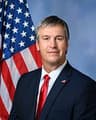
Barry Moore (R-AL)
Safeguarding US Rulemaking Act
A Republican bill with 3 Republican cosponsors · See all 3 cosponsors
Last activity — Referred to the House Committee on the Judiciary.
In committee
Introduced and handed to a committee in the chamber it started in.
The committee holds it, and most bills are never heard from again. A hearing or a committee vote would be news; silence is the usual outcome, and it kills the bill without anyone voting against it.
Its path through Congress
- Introduced
- In Committee
What this bill would do
This bill, titled the "Safeguarding US Rulemaking Act," aims to limit participation in the federal rulemaking process. It specifically targets governments and entities identified as foreign adversaries. Under this Act, such foreign governments or their nationals and entities would be prohibited from making public comments or petitioning agencies. The changes would amend Section 553 of title 5, United States Code. This measure is intended to restrict certain foreign influences from participating in how agencies create rules.
Yes
- Scored +3
Does this tighten control of the border?
The bill limits the influence of foreign adversary entities and their nationals on domestic regulatory processes.
- Scored +2
Does this make what the government does easier for the public to see?
The bill aims to safeguard the rulemaking process from foreign adversary influence.
- Scored +2
Does this better protect the country from computer attacks?
By limiting the ability of foreign adversaries to petition agencies, the bill aims to reduce foreign interference in US governance.
The opposite
- Scored -3
Would immigrants be better off under this?
The bill prohibits nationals of foreign adversary governments from participating in agency rulemaking or petitions.
- Scored -2
Does this protect the right to fair treatment by the courts?
The bill restricts the ability of certain foreign nationals and entities to petition federal agencies.
- Scored -2
Does this favour talking over confrontation abroad?
The bill restricts the official participation of foreign governments in the US regulatory process.
Who it would affect, and how
Potential Positive Impacts for People
- Limiting foreign influence in rulemaking: The bill prevents foreign governments, their nationals, or entities incorporated in those governments from participating in agency rulemaking or petitions if they are determined to be foreign adversaries by the Secretary of Commerce. This is established in Section 2, subsection (f).
Potential Negative Impacts for People
- No specific negative impacts are mentioned in the text provided.
Groups and Interests Ranking
Every group the model scored this bill for, from -10 to +10. Tap or hover a score for the reason it gave.
- Demographic And Interest Groups
- Would immigrants be better off under this? — The bill prohibits nationals of foreign adversary governments from participating in agency rulemaking or petitions.
- Social Issues And Justice
- Does this tighten control of the border? — The bill limits the influence of foreign adversary entities and their nationals on domestic regulatory processes.
- Governance And Ideology
- Does this make what the government does easier for the public to see? — The bill aims to safeguard the rulemaking process from foreign adversary influence. Does this protect the right to fair treatment by the courts? — The bill restricts the ability of certain foreign nationals and entities to petition federal agencies.
- National Security And Foreign Policy
- Does this better protect the country from computer attacks? — By limiting the ability of foreign adversaries to petition agencies, the bill aims to reduce foreign interference in US governance. Does this favour talking over confrontation abroad? — The bill restricts the official participation of foreign governments in the US regulatory process.
- 12/10/2025
- Referred to the House Committee on the Judiciary.
- 3 Cosponsors added.
- Introduced in House
One bill Congress.gov lists as related to this one — companions in the other chamber, earlier versions, and bills this one absorbed or was folded into.
 Brian Babin
Republican · Texas
 Gary Palmer
Republican · Alabama
 Elise Stefanik
Republican · New York