Bill · H.R. 6489· House(119-HR-6489)
SAFE BOTs Act
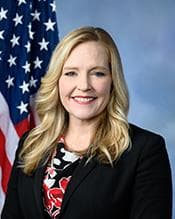
- Introduced
- 12/5/2025
- Last activity
- 12/11/2025 — Forwarded by Subcommittee to Full Committee by Voice Vote.
- Sponsored by
- Erin Houchin
- Cosponsors
- None
- Introduced
- In Committee
What this bill would do
The SAFE BOTs Act aims to regulate how chatbot providers interact with minors. It requires providers to disclose that chatbots are artificial intelligence systems and not natural persons. The bill also mandates providing crisis resource information when a user discusses suicide or suicidal ideation. Additionally, providers must implement policies regarding continuous usage, sexual material, gambling, and illegal substances. Enforcement of these rules falls under the Federal Trade Commission and certain State officials. Finally, the Act directs a long-term study on the impact of chatbots on the mental health of minors.
Yes· 3 of 7
Would children be better off under this?+8
The bill protects minors through transparency requirements, crisis resource disclosures, and restrictions on harmful content.
Does this give people more protection from unfair business practices?+6
The bill mandates transparency about AI identity and requires policies to prevent harmful content like sexual material or gambling for minors.
Does this make mental health care easier to get?+5
The bill requires chatbots to provide crisis resource information when users discuss suicide or suicidal ideations.
The opposite
Does this leave more decisions to the states?-7
The bill explicitly prohibits states and political subdivisions from enforcing their own laws regarding the covered chatbot matters.
Who it would affect, and how
Potential Positive Impacts for People
-
Transparency regarding AI identity: Chatbot providers must tell users that the system is an artificial intelligence and not a real person, which ensures minors know who or what they are talking to (Section 2(b)(1)(A)).
-
Access to crisis help: Providers are required to provide resources for contacting a suicide and crisis intervention hotline if a user prompts the chatbot about suicide or suicidal ideation (Section 2(b)(1)(B)).
-
Protection from harmful content: Providers must establish policies to address sexual material harmful to minors, gambling, and the distribution or use of illegal drugs, tobacco, or alcohol (Section 2(c)(2)).
-
Prevention of excessive use: The bill requires policies that advise a user to take a break after three hours of continuous and uninterrupted interaction with a chatbot (Section 2(c)(1)).
-
Scientific understanding of mental health risks: The Act mandates a 4-year longitudinal study to evaluate how chatbots affect the mental health of minors, including topics like loneliness, anxiety, and depression (Section 2(g)(1)).
Potential Negative Impacts for People
-
Restrictions on state laws: This Act prevents any State or political subdivision from enforcing their own laws or regulations regarding the chatbot matters covered in the bill (Section 2(h)).
-
Potential for deceptive professional claims: Chatbot providers are prohibited from stating they are a licensed professional unless it is actually true (Section 2(a)).
Groups and Interests Ranking
Every group the model scored this bill for, from -10 to +10. Hover a score for the reason it gave.
- Demographic And Interest Groups
- Good For Children+8Good For Urban Residents+1
- Healthcare
- Improves Mental Health Access+5Increases Research Funding+4
- Economy And Finance
- Improves Consumer Protection+6
- Governance And Ideology
- Improves Government Transparency+3Increase States Rights-7
- Social Issues And Justice
- Improves Poverty Reduction+1
- 12/11/2025
- Subcommittee Consideration and Mark-up Session Held
- Forwarded by Subcommittee to Full Committee by Voice Vote.
- 12/5/2025
- Referred to the House Committee on Energy and Commerce.
- Referred to the Subcommittee on Commerce, Manufacturing, and Trade.
- Introduced in House