Bill · H.R. 6218· House(119-HR-6218)
HEAR Act of 2025
- Introduced
- 11/20/2025
- Last activity
- 11/20/2025 — Referred to the Committee on Energy and Commerce, and in addition to the Committee on Ways and Means, for a period to be subsequently determined by the Speaker, in each case for consideration of such provisions as fall within the jurisdiction of the committee concerned.
- Sponsored by
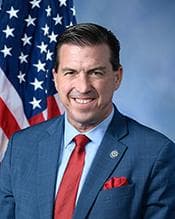
- Kevin Mullin
- Cosponsors
- - 5 - 1
- Introduced
- In Committee
What this bill would do
The "Help Extend Auditory Relief Act of 2025," also known as the "HEAR Act of 2025," seeks to amend the Social Security Act. The bill proposes to provide coverage under the Medicare program for hearing aids and related hearing services. This includes coverage for aural rehabilitation services and the classification of hearing aids as durable medical equipment. The legislation defines specific requirements for hearing rehabilitation and the types of hearing aids that qualify. It also establishes criteria for eligible individuals based on their hearing loss and previous supply history.
Yes· 3 of 6
Would people over 65 be better off under this?+8
The bill benefits Medicare beneficiaries, who are predominantly seniors, by covering hearing aids and related services.
Would retired people be better off under this?+8
The bill provides significant value to retirees by covering the costs of hearing aids and aural rehabilitation through Medicare.
Does this make health care easier to get in general?+7
The bill provides Medicare beneficiaries with coverage for essential hearing assessments, hearing aids, and rehabilitation services.
The opposite
No question was scored the opposite.
Who it would affect, and how
Potential Positive Impacts for People
-
Expanded Medicare Coverage: The bill amends the Social Security Act to include coverage for aural rehabilitation services and hearing aids as durable medical equipment under Section 2, which would provide coverage for these essential services to Medicare beneficiaries.
-
Comprehensive Hearing Services: Under Section 2(c)(2), the bill defines hearing rehabilitation to include a comprehensive audiologic assessment, a threshold test to determine audio acuity, and aural rehabilitation services, ensuring individuals can determine their specific hearing needs.
-
Support for Hearing Aid Use: According to Section 2(c)(3)(C), the bill covers essential steps for using hearing aids, such as the initial fitting and adjustment, instruction on use, periodic refittings, and rehabilitation services like counseling on hearing loss and auditory training.
-
Assistance for Individuals with Deteriorating Hearing: Section 2(c)(3)(D) provides that individuals who have been determined to have hearing loss that can be treated with a hearing aid, and who have not been supplied with hearing aids within the preceding 3 years, may be eligible for coverage.
Potential Negative Impacts for People
-
Exclusion of certain devices: Under Section 2(c)(3)(B), the definition of a hearing aid specifically excludes over-the-counter hearing aids, meaning these specific devices would not be covered under this provision.
-
Delayed Implementation: Section 2(f) notes that the amendments will take effect on the date of enactment, but the application to items and services is subject to a date specified by the Secretary of Health and Human Services, which could be as late as January 1 of the third year after enactment.
Groups and Interests Ranking
Every group the model scored this bill for, from -10 to +10. Hover a score for the reason it gave.
- Demographic And Interest Groups
- Good For Retirees+8Good For Seniors+8Good For Low Income Households+5
- Healthcare
- Improves Healthcare Access+7Increases Medicare Funding+5
- Social Issues And Justice
- Improves Social Security+4
- 11/20/2025
- Referred to the Committee on Energy and Commerce, and in addition to the Committee on Ways and Means, for a period to be subsequently determined by the Speaker, in each case for consideration of such provisions as fall within the jurisdiction of the committee concerned.
- 6 Cosponsors added.
- Introduced in House
 Christopher Deluzio
Democrat · Pennsylvania
 Debbie Dingell
Democrat · Michigan
 Madeleine Dean
Democrat · Pennsylvania
 Henry Johnson
Democrat · Georgia
 Michael Lawler
Republican · New York
 Mark Takano
Democrat · California