Bill · H.R. 6207· House(119-HR-6207)
Chip EQUIP Act
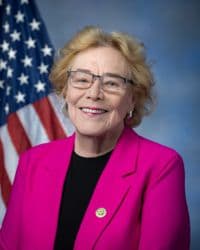
- Introduced
- 11/20/2025
- Last activity
- 9/16/2026 — Ordered to be Reported by the Yeas and Nays: 39 - 0.
- Sponsored by
- Zoe Lofgren
- Cosponsors
- - 3 - 8
- Introduced
What this bill would do
This bill is known as the Chip Equipment Quality, Usefulness, and Integrity Protection Act of 2025, or the Chip EQUIP Act. It stops the purchase of certain semiconductor manufacturing equipment from foreign entities of concern or their subsidiaries. The text adds definitions for completed, fully assembled equipment and ineligible semiconductor manufacturing equipment. It also amends the William M. (Mac) Thornberry National Defense Authorization Act for Fiscal Year 2021 to add prohibitions on the use of federal funds for this equipment. These prohibitions apply for 10 years starting from the date an agreement is signed. Finally, the bill allows the Secretary to grant waivers under specific conditions, such as national security interests or lack of availability.
Yes· 3 of 5
Does this give the federal government more power?+3
The bill expands federal authority by allowing the Secretary to impose specific equipment procurement prohibitions on recipients of federal financial assistance.
Does this better protect the country from computer attacks?+3
Restricting equipment from foreign entities of concern helps protect the integrity of the domestic semiconductor supply chain against potential technological vulnerabilities.
Would union members be better off under this?+2
The emphasis on domestic production and quality standards may support increased domestic manufacturing employment.
The opposite
Would business owners be better off under this?-2
Companies receiving federal funding may face higher operational costs or procurement difficulties due to the new equipment prohibitions.
Does this make it easier to run a small business?-2
The restrictions on equipment procurement may increase costs and supply chain complexities for entities receiving federal assistance.
Who it would affect, and how
Potential Positive Impacts for People
- Section 2 adds prohibitions to federal financial assistance agreements to stop the procurement, installation, or use of ineligible semiconductor manufacturing equipment from foreign entities of concern for 10 years, which holds officials and entities accountable for how they use taxpayer-funded awards.
Potential Negative Impacts for People
- The provided text does not contain any specific details regarding negative consequences or burdens for individuals or groups of people in the United States.
Groups and Interests Ranking
Every group the model scored this bill for, from -10 to +10. Hover a score for the reason it gave.
- Governance And Ideology
- Increases Federal Power+3
- National Security And Foreign Policy
- Improves Cybersecurity Defense+3
- Education And Technology
- Increases Scientific Research Funding+1
- Demographic And Interest Groups
- Good For Union Workers+2Good For Business Owners-2
- Economy And Finance
- Increases Job Creation+2Improves Small Business Support-2
- 9/16/2026
- Committee Consideration and Mark-up Session Held
- Ordered to be Reported by the Yeas and Nays: 39 - 0.
- 9/1/2026
- Subcommittee Consideration and Mark-up Session Held
- Forwarded by Subcommittee to Full Committee (Amended) by Voice Vote.
- 8/31/2026
- 1 Cosponsor added.
- 5/21/2026
- 1 Cosponsor added.
- 2/4/2026
- 1 Cosponsor added.
- 1/7/2026
- 1 Cosponsor added.
- 12/19/2025
- 1 Cosponsor added.
- 11/25/2025
- 1 Cosponsor added.
- 11/20/2025
- Referred to the Committee on Energy and Commerce, and in addition to the Committee on Science, Space, and Technology, for a period to be subsequently determined by the Speaker, in each case for consideration of such provisions as fall within the jurisdiction of the committee concerned.
- Referred to the Subcommittee on Commerce, Manufacturing, and Trade.
- 5 Cosponsors added.
- Introduced in House
One bill Congress.gov lists as related to this one — companions in the other chamber, earlier versions, and bills this one absorbed or was folded into.
 Gabe Evans
Republican · Colorado
 Brian Fitzpatrick
Republican · Pennsylvania
 Julie Fedorchak
Republican · North Dakota
 Erin Houchin
Republican · Indiana
 Raja Krishnamoorthi
Democrat · Illinois
 Greg Landsman
Democrat · Ohio
 John Moolenaar
Republican · Michigan
 Jay Obernolte
Republican · California
 Scott Peters
Democrat · California
 Randy Weber
Republican · Texas
 Ryan Zinke
Republican · Montana