Bill · H.R. 620· House(119-HR-620)
FARM Act
- Introduced
- 1/22/2025
- Last activity
- 2/28/2025 — Referred to the Subcommittee on Nutrition and Foreign Agriculture.
- Sponsored by
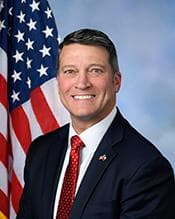
- Ronny Jackson
- Cosponsors
- - 23 - 6
- Introduced
- In Committee
What this bill would do
The Foreign Adversary Risk Management Act, or the FARM Act, seeks to amend the Defense Production Act of 1950. The bill aims to prevent harm and disruption to the United States agriculture industry by protecting against foreign influence over production and supply chains. It includes the Secretary of Agriculture as a representative on the Committee on Foreign Investment in the United States. The legislation expands the review of transactions that could result in foreign control of U.S. businesses engaged in agriculture and the use of agricultural products. Additionally, it includes agricultural systems, supply chains, and products as part of critical infrastructure and critical technologies. Finally, it requires annual reports regarding foreign influence and threats to the agricultural sector.
Yes· 3 of 7
Would farmers be better off under this?+5
The bill aims to protect the agricultural industry and its supply chains from foreign influence and disruption.
Does this make patent and copyright rules fairer?+4
The bill requires reporting on techniques used by foreign governments to target agricultural intellectual property and innovation.
Would business owners be better off under this?+3
The bill provides protections for U.S. businesses engaged in agriculture against foreign control and espionage.
The opposite
No question was scored the opposite.
Who it would affect, and how
Potential Positive Impacts for People
-
Protection against foreign control of agriculture: By expanding the review of transactions, mergers, or acquisitions that could result in foreign control of U ability to engage in agriculture and use agricultural products, the bill aims to prevent disruption to the industry (Section 2(b)).
-
Enhanced oversight of critical systems: The bill includes agricultural systems and supply chains under the definition of critical infrastructure and critical technologies, which may help protect these essential systems (Section 2(c) and 2(d)).
-
Increased intelligence on agricultural threats: The requirement for the Secretary of Agriculture and the Comptroller General to conduct analyses and submit reports to Congress could provide insight into foreign investments, potential threats to production, and agriculture-related espionage or theft of intellectual property (Section 3).
Potential Negative Impacts for People
- No negative impacts or burdens are explicitly identified within the provided text.
Groups and Interests Ranking
Every group the model scored this bill for, from -10 to +10. Hover a score for the reason it gave.
- Demographic And Interest Groups
- Good For Farmers+5Good For Business Owners+3
- Education And Technology
- Improves Intellectual Property Fairness+4
- Economy And Finance
- Improves Small Business Support+3
- Environment Energy And Infrastructure
- Improves Rural Development+3
- Governance And Ideology
- Improves Government Transparency+3
- National Security And Foreign Policy
- Improves Cybersecurity Defense+2
- 10/6/2025
- 1 Cosponsor added.
- 9/30/2025
- 1 Cosponsor added.
- 9/11/2025
- 1 Cosponsor added.
- 8/8/2025
- 1 Cosponsor added.
- 6/4/2025
- 1 Cosponsor added.
- 4/7/2025
- 1 Cosponsor added.
- 2/28/2025
- Referred to the Subcommittee on Nutrition and Foreign Agriculture.
- 2/7/2025
- 1 Cosponsor added.
- 2/4/2025
- 1 Cosponsor added.
- 1/31/2025
- 4 Cosponsors added.
- 1/22/2025
- Referred to the Committee on Financial Services, and in addition to the Committee on Agriculture, for a period to be subsequently determined by the Speaker, in each case for consideration of such provisions as fall within the jurisdiction of the committee concerned.
- 17 Cosponsors added.
- Introduced in House
One bill Congress.gov lists as related to this one — companions in the other chamber, earlier versions, and bills this one absorbed or was folded into.
 Brian Babin
Republican · Texas
 Jim Costa
Democrat · California
 Eric Crawford
Republican · Arkansas
 Donald Davis
Democrat · North Carolina
 Ron Estes
Republican · Kansas
 Pat Fallon
Republican · Texas
 Brad Finstad
Republican · Minnesota
 Vicente Gonzalez
Democrat · Texas
 Michael Guest
Republican · Mississippi
 Maggie Goodlander
Democrat · New Hampshire
 Ashley Hinson
Republican · Iowa
 Dusty Johnson
Republican · South Dakota
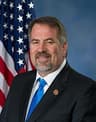 Doug LaMalfa
Republican · California
 Nicole Malliotakis
Republican · New York
 Mary Miller
Republican · Illinois
 James Moylan
Republican · Guam
 Celeste Maloy
Republican · Utah
 Mark Messmer
Republican · Indiana
 Dan Newhouse
Republican · Washington
 August Pfluger
Republican · Texas
 Jimmy Panetta
Democrat · California
 John Rose
Republican · Tennessee
 Pete Sessions
Republican · Texas
 Elise Stefanik
Republican · New York
 Keith Self
Republican · Texas
 David Taylor
Republican · Ohio
 Eugene Vindman
Democrat · Virginia
 Randy Weber
Republican · Texas
 Ryan Zinke
Republican · Montana