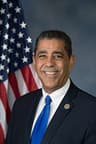
Adriano Espaillat (D-NY)
La Comisión de las Ocupaciónes Americanos Act
A Democratic bill with no cosponsors
Last activity — Referred to the House Committee on Foreign Affairs.
In committee
Introduced and handed to a committee in the chamber it started in.
The committee holds it, and most bills are never heard from again. A hearing or a committee vote would be news; silence is the usual outcome, and it kills the bill without anyone voting against it.
Its path through Congress
- Introduced
- In Committee
What this bill would do
This bill creates a commission to study past United States military interventions and occupations in several Western Hemisphere nations during the twentieth century. The commission must document these historical events, examine how they affected native populations, and review any lingering negative impacts on those societies. Additionally, the commission is tasked with recommending ways to educate the public and proposing appropriate remedies, which may include formal apologies and policies to reverse the effects of those past actions. The commission is required to submit a written report of its findings and recommendations to Congress within four years of the act's enactment. Finally, the bill authorizes $20,000,000 to be appropriated to carry out these activities until the commission terminates.
Yes· 3 of 8
- Scored +5
Does this strengthen ties with allied countries?
By studying past interventions and considering formal apologies and reparatory policies, the bill aims to improve diplomatic relations with Western Hemisphere nations.
- Scored +5
Does this favour talking over confrontation abroad?
The creation of a commission focused on reconciliation and international cooperation fosters constructive diplomatic engagement.
- Scored +3
Would Hispanic Americans be better off under this?
The legislation focuses on historical interventions in Latin America and the Caribbean, promoting recognition and potential reconciliation for affected populations.
The opposite
- Scored -1
Does this reduce what the federal government owes?
The bill authorizes $20,000,000 in federal appropriations to fund the study commission.
- Scored -1
Does this reduce what the federal government spends?
The bill increases federal spending by appropriating funds for the establishment and operation of a new commission.
- Scored -1
Does this make the government pay for what it commits to?
Allocating federal funds for a historical study commission adds to government expenditures.
Who it would affect, and how
Potential Positive Impacts for People
-
Section 3(b)(3) directs the commission to recommend appropriate ways to educate the United States public on the commission's findings, which could benefit citizens by providing a transparent and comprehensive historical understanding of past foreign policy decisions.
-
Section 3(b)(4)(B) requires the commission to address how the United States Government may offer a formal apology on behalf of the people of the United States for the studied invasions and occupations, potentially providing moral repair and reconciliation for individuals and groups in the affected sovereign nations.
-
Section 3(b)(4)(C) mandates that the commission propose appropriate policies, programs, projects, and recommendations to reverse the negative repercussions resulting from past interventions, which could lead to constructive diplomatic and developmental outcomes for the peoples of the nations involved.
Potential Negative Impacts for People
- Section 3(g)(1) authorizes the appropriation of $20,000,000 of taxpayer funds to carry out the act, which places a direct financial burden on United States citizens to fund the operations and travel expenses of the newly established commission.
Groups and Interests Ranking
Every group the model scored this bill for, from -10 to +10. Tap or hover a score for the reason it gave.
- National Security And Foreign Policy
- Does this favour talking over confrontation abroad? — The creation of a commission focused on reconciliation and international cooperation fosters constructive diplomatic engagement. Does this strengthen ties with allied countries? — By studying past interventions and considering formal apologies and reparatory policies, the bill aims to improve diplomatic relations with Western Hemisphere nations.
- Demographic And Interest Groups
- Would Hispanic Americans be better off under this? — The legislation focuses on historical interventions in Latin America and the Caribbean, promoting recognition and potential reconciliation for affected populations. Would immigrants be better off under this? — Immigrants from the studied nations may benefit from historical acknowledgment and improved bilateral relations. Would students be better off under this? — The bill recommends public education initiatives regarding historical findings, benefiting students and the general public.
- Governance And Ideology
- Does this make what the government does easier for the public to see? — The bill mandates public meetings and comprehensive documentation regarding historical U.S. foreign policy actions. Does this give the federal government more power? — The bill establishes a federal commission with subpoena powers and reporting requirements to Congress.
- Economy And Finance
- Does this make the government pay for what it commits to? — Allocating federal funds for a historical study commission adds to government expenditures. Does this reduce what the federal government spends? — The bill increases federal spending by appropriating funds for the establishment and operation of a new commission. Does this reduce what the federal government owes? — The bill authorizes $20,000,000 in federal appropriations to fund the study commission.
- Social Issues And Justice
- Does this narrow racial gaps in how people are treated? — The bill examines past interventions and their impacts on native populations, promoting historical recognition and potential reconciliation.
- 11/18/2025
- Referred to the House Committee on Foreign Affairs.
- Introduced in House