Bill · H.R. 6058· House(119-HR-6058)
STRIDE Act
- Introduced
- 11/17/2025
- Last activity
- 4/22/2026 — Ordered to be Reported (Amended) by the Yeas and Nays: 44 - 0.
- Sponsored by
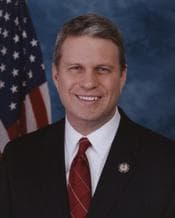
- Bill Huizenga
- Cosponsors
- - 4 - 0
- Introduced
What this bill would do
The STRIDE Act aims to coordinate the semiconductor technology supply chain with allied and partner nations. The Secretary of State is tasked with working with countries that have significant capabilities in semiconductor research, design, manufacturing, and materials. This coordination seeks to protect critical technologies from being acquired by the Chinese Communist Party and other foreign adversaries. The bill establishes objectives such as aligning export control policies and creating trusted supplier networks. It also provides a mechanism for addressing countries that fail to implement sufficient security measures. Finally, it requires regular reporting to congressional committees on diplomatic engagement and coordination progress.
Yes· 3 of 7
Does this strengthen ties with allied countries?+5
The act emphasizes coordination and the establishment of trusted supplier networks among United States allies and partner nations.
Does this make patent and copyright rules fairer?+5
The bill seeks to protect United States-origin technology and intellectual property from being captured by foreign adversaries.
Does this better protect the country from computer attacks?+4
Securing the semiconductor supply chain is critical to protecting the underlying technology used in advanced cyber and defense systems.
The opposite
Does this make trade with other countries easier?-2
The bill implements stricter export controls and potential restrictions on foreign entities, which could complicate global trade patterns.
Who it would affect, and how
Potential Positive Impacts for People
-
Protection of National Security and Economic Leadership: The bill seeks to maintain United States and allied technological leadership in semiconductor research, design, manufacturing, and advanced materials (Section 3).
-
Prevention of Technology Capture: By coordinating with allied and partner nations, the bill aims to prevent technological capture by the Chinese Communist Party and other foreign adversaries (Section 2).
-
Securing Intellectual Property: The policy aims to ensure that United States-origin technology and intellectual property do not contribute to the military modernization or human rights abuses of the Chinese Communist Party (Section 3).
-
Creation of Secure Supply Chains: The bill promotes the establishment of resilient, secure, and trusted semiconductor supply chains among United States allies and partners (Section 3).
-
Development of Trusted Networks: One of the coordination objectives is the establishment of trusted supplier networks for critical semiconductor technology components and manufacturing services (Section 4(b)).
Potential Negative Impacts for People
-
Economic Consequences for Non-Cooperating Countries: If a country's security measures are deemed insufficient, the Secretary of State may recommend applying Foreign Direct Product Rule restrictions to technology produced in that country (Section 4(c)(3)).
-
Restrictions on Entities: The bill allows for recommendations to expand Entity List designations for companies or research institutions in non-cooperating countries that pose technology transfer risks (Section 4(c)(3)).
Groups and Interests Ranking
Every group the model scored this bill for, from -10 to +10. Hover a score for the reason it gave.
- National Security And Foreign Policy
- Improves International Alliances+5Improves Cybersecurity Defense+4Improves International Trade-2
- Education And Technology
- Improves Intellectual Property Fairness+5
- Demographic And Interest Groups
- Good For Business Owners+3
- Economy And Finance
- Increases Job Creation+3
- Governance And Ideology
- Improves Government Transparency+2
- Social Issues And Justice
- Improves Racial Equity+1
- 4/22/2026
- Committee Consideration and Mark-up Session Held
- Ordered to be Reported (Amended) by the Yeas and Nays: 44 - 0.
- 12/1/2025
- 1 Cosponsor added.
- 11/21/2025
- 1 Cosponsor added.
- 11/17/2025
- Referred to the House Committee on Foreign Affairs.
- 2 Cosponsors added.
- Introduced in House
 Dan Crenshaw
Republican · Texas
 Michael Lawler
Republican · New York
 James Moylan
Republican · Guam
 Jefferson Shreve
Republican · Indiana