
Andy Biggs (R-AZ)
To amend the One Big Beautiful Bill Act to provide an exception to the parole fee for the parole of an alien for a sacred Tribal or religious ceremony, cultural exchange, or celebration, and for other purposes.
A Republican bill with 2 Democratic cosponsors · See all 5 cosponsors
Last activity — Referred to the House Committee on the Judiciary.
In committee
Introduced and handed to a committee in the chamber it started in.
The committee holds it, and most bills are never heard from again. A hearing or a committee vote would be news; silence is the usual outcome, and it kills the bill without anyone voting against it.
Its path through Congress
- Introduced
- In Committee
What this bill would do
H.R. 5904 is a bill introduced in the House of Representatives on November 4, 2025, to amend the One Big Beautiful Bill Act. It creates an exception to the standard parole fee for certain individuals. Specifically, it applies when an alien is paroled into the United States for a sacred Tribal or religious ceremony, cultural exchange, or celebration. To qualify during a two-year period, the Secretary of Homeland Security must determine there is a significant public benefit. The alien must also meet background check, request, participation, and a specific $200 fee requirements.
Yes· 3 of 6
- Scored +4
Would Native Americans be better off under this?
The bill directly empowers federally recognized Tribes near the border to request parole for cultural and religious participants.
- Scored +3
Does this protect the freedom to practise a religion?
The bill specifically facilitates parole exceptions for sacred Tribal or religious ceremonies.
- Scored +2
Would people in rural areas be better off under this?
The legislation benefits border-adjacent Native American communities by facilitating cultural exchanges.
The opposite
- Scored -1
Does this make it easier for immigrants already here to become citizens?
The bill places strict conditions and administrative hurdles on temporary parole exceptions for cultural visitors.
Who it would affect, and how
Potential Positive Impacts for People
-
Section 1 of the bill allows for a parole fee exception, replacing the standard fee with a $200 fee for an alien paroled for a sacred Tribal or religious ceremony, cultural exchange, or celebration. This could make it easier for participants to take part in these events if the new fee is lower than the standard fee required under subsection (c).
-
Section 1 specifies that a federally recognized Indian Tribe with land held in trust by the United States at or near the Southwest border can submit a written request to the Secretary for the alien to be paroled into the United States. This gives these specific Tribes a direct role in bringing participants into the country for cultural and religious purposes.
Potential Negative Impacts for People
-
Section 1 requires that the alien pays a fee in the amount of $200 in lieu of the fee required under subsection (c). This adds a direct financial cost for individuals or Tribes seeking to bring a participant into the United States for these ceremonies or cultural exchanges.
-
Section 1 places strict conditions on this exception, requiring the Secretary to conduct a preliminary criminal background check of the alien prior to arrival at a port of entry, and requiring that the alien is enrolled in a cultural participant program operated by a federally recognized Indian Tribe with land held in trust at or near the Southwest border. These strict administrative hurdles could limit who is able to qualify for the exception.
Groups and Interests Ranking
Every group the model scored this bill for, from -10 to +10. Tap or hover a score for the reason it gave.
- Demographic And Interest Groups
- Would Native Americans be better off under this? — The bill directly empowers federally recognized Tribes near the border to request parole for cultural and religious participants. Would people in rural areas be better off under this? — The legislation benefits border-adjacent Native American communities by facilitating cultural exchanges. Would immigrants be better off under this? — The bill creates a specific parole exception fee structure for cultural and religious participants.
- Social Issues And Justice
- Does this protect the freedom to practise a religion? — The bill specifically facilitates parole exceptions for sacred Tribal or religious ceremonies. Does this narrow racial gaps in how people are treated? — The bill grants federally recognized Indian Tribes a direct role in requesting parole for cultural and religious participants. Does this tighten control of the border? — The bill introduces a mandatory preliminary criminal background check for paroled individuals. Does this make it easier for immigrants already here to become citizens? — The bill places strict conditions and administrative hurdles on temporary parole exceptions for cultural visitors.
- 11/7/2025
- 1 Cosponsor added.
- 11/4/2025
- Referred to the House Committee on the Judiciary.
- 4 Cosponsors added.
- Introduced in House
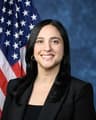 Yassamin Ansari
Democrat · Arizona
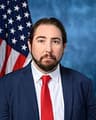 Elijah Crane
Republican · Arizona
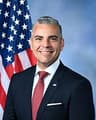 Juan Ciscomani
Republican · Arizona
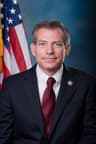 David Schweikert
Republican · Arizona
 Greg Stanton
Democrat · Arizona