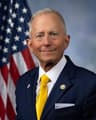
Jefferson Van Drew (R-NJ)
Public Access to Defibrillation in Transportation Facilities Act of 2025
A Republican bill with 3 Democratic cosponsors · See all 4 cosponsors
Last activity — Referred to the Subcommittee on Highways and Transit.
In committee
Introduced and handed to a committee in the chamber it started in.
The committee holds it, and most bills are never heard from again. A hearing or a committee vote would be news; silence is the usual outcome, and it kills the bill without anyone voting against it.
Its path through Congress
- Introduced
- In Committee
What this bill would do
The Public Access to Defibrillation in Transportation Facilities Act of 2025 aims to increase the availability of automated external defibrillators (AEDs) at interstate transportation facilities. It expands the Surface Transportation Block Grant Program to fund the purchase of AEDs and the creation of emergency action plans. The Secretary of Transportation will provide recommendations for AED placement and guidelines for emergency responses. Technical assistance will be offered to state, local, and facility officials. The act also allows the Secretary of Transportation to add terms to financial assistance programs to ensure these guidelines are followed.
Yes· 3 of 25
- Scored +8
Would people over 65 be better off under this?
High benefit for seniors who are at higher risk for sudden cardiac arrest.
- Scored +8
Would retired people be better off under this?
Provides critical life-saving equipment for a high-risk age demographic.
- Scored +6
Would people in cities be better off under this?
High impact as urban areas have higher densities of the targeted transportation facilities.
The opposite
No question was scored the opposite.
Who it would affect, and how
Potential Positive Impacts for People
-
Increased Survival Rates for Cardiac Arrest: By funding the purchase and deployment of AEDs, the bill addresses the fact that survival likelihood decreases by 7 to 10 percent for every minute without defibrillation (Section 2).
-
Funding for Life-Saving Equipment: The amendment to Section 133(b) of title 23 allows projects to receive funding for purchasing and deploying AEDs at eligible transportation facilities (Section 3).
-
Better Emergency Preparation: The bill provides funding for developing written emergency action plans for medical emergencies (Section 3) and requires the Secretary of Transportation to issue guidelines and recommendations for AED placement and maintenance (Section 4).
-
Expert Guidance: State and local officials, as well as facility owners, will receive technical assistance from the Secretary of Transportation, the Secretary of Health and Human Services, and the Director of the Centers for Disease Control and Prevention (Section 3 and Section 4).
Potential Negative Impacts for People
- Potential Restrictions on Funding: The Secretary of Transportation may impose additional terms and conditions on Department of Transportation financial assistance programs to force the adoption of AED recommendations and guidelines (Section 4).
Groups and Interests Ranking
Every group the model scored this bill for, from -10 to +10. Tap or hover a score for the reason it gave.
- Demographic And Interest Groups
- Would retired people be better off under this? — Provides critical life-saving equipment for a high-risk age demographic. Would people over 65 be better off under this? — High benefit for seniors who are at higher risk for sudden cardiac arrest. Would people in cities be better off under this? — High impact as urban areas have higher densities of the targeted transportation facilities. Would people in middle age be better off under this? — Increases survival rates for cardiac arrest, which often affects middle-aged adults. Would Black Americans be better off under this? — Increases safety in public transportation hubs used by all racial groups. Would Asian Americans be better off under this? — Increases safety in public transportation hubs used by all racial groups. Would high-income households be better off under this? — Provides safety benefits to those using public transportation. Would Hispanic Americans be better off under this? — Increases safety in public transportation hubs used by all racial groups. Would immigrants be better off under this? — Increases overall public safety for all travelers. Would LGBTQ people be better off under this? — Increases overall public safety for all travelers. Would households on low incomes be better off under this? — Provides safety benefits to those who rely more heavily on public transportation. Would men be better off under this? — Increases overall public safety for all travelers. Would middle-income households be better off under this? — Provides safety benefits to those using public transportation. Would Native Americans be better off under this? — Increases safety in public transportation hubs used by all racial groups. Would people with disabilities be better off under this? — Improves medical emergency readiness in transportation facilities. Would people in rural areas be better off under this? — Provides benefits at highway rest areas on the Interstate System. Would students be better off under this? — Increases safety in public transportation used by students. Would veterans be better off under this, taking everything together? — Increases overall public safety for all travelers. Would white Americans be better off under this? — Increases safety in public transportation hubs used by all racial groups. Would women be better off under this? — Increases overall public safety for all travelers. Would children be better off under this? — Increases safety in public spaces used by all ages. Would people in their twenties and thirties be better off under this? — Increases safety in public spaces used by all ages.
- Healthcare
- Does this make health care easier to get in general? — Increases access to life-saving AEDs in public transportation hubs.
- Environment Energy And Infrastructure
- Does this improve buses, trains and other public transport? — Enhances safety infrastructure at rail and bus terminals through AED deployment.
- Governance And Ideology
- Does this give the federal government more power? — Allows the DOT Secretary to impose additional terms on financial assistance programs.
- 11/17/2025
- 1 Cosponsor added.
- 11/12/2025
- 1 Cosponsor added.
- 11/10/2025
- 1 Cosponsor added.
- 11/1/2025
- Referred to the Subcommittee on Highways and Transit.
- 10/31/2025
- Referred to the House Committee on Transportation and Infrastructure.
- 1 Cosponsor added.
- Introduced in House
 Robert Bresnahan
Republican · Pennsylvania
 Laura Gillen
Democrat · New York
 Jerrold Nadler
Democrat · New York
 Eugene Vindman
Democrat · Virginia