Bill · H.R. 5804· House(119-HR-5804)
Providing Robust Organics and Diets for Urban Communities Everywhere Act
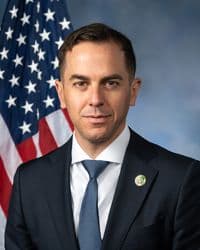
- Introduced
- 10/21/2025
- Last activity
- 12/2/2025 — Referred to the Subcommittee on Nutrition and Foreign Agriculture.
- Sponsored by
- Robert Menendez
- Cosponsors
- - 6 - 0
- Introduced
- In Committee
What this bill would do
This bill is known as the Providing Robust Organics and Diets for Urban Communities Everywhere Act or the PRODUCE Act. It was introduced in the House of Representatives on October 21, 2025. The purpose of the bill is to amend the Department of Agriculture Reorganization Act of 1994. Specifically, it reauthorizes the Office of Urban Agriculture and Innovative Production. The bill extends the operations and funding authorities through the year 2030. It also increases the authorized funding amount to fifty million dollars for each fiscal year from 2025 through 2030.
Yes· 3 of 27
Would people in cities be better off under this?+6
The legislation directly targets urban communities to improve access to organics and local agricultural production.
Would farmers be better off under this?+5
The bill directly supports urban agricultural producers by increasing authorized grant and program funding through 2030.
Does this make it easier to run a small business?+5
Increased funding and reauthorization of urban agriculture programs directly benefit small-scale urban producers and innovative farming enterprises.
The opposite
Does this reduce what the federal government spends?-2
The bill increases authorized funding for the Office of Urban Agriculture and Innovative Production from $25 million to $50 million annually.
Who it would affect, and how
Potential Positive Impacts for People
-
Section 2(1) and Section 2(2) extend the authorization of the Office of Urban Agriculture and Innovative Production through the year 2030, which continues support for urban agriculture programs.
-
Section 2(3) increases the funding amount to fifty million dollars for each of the fiscal years 2025 through 2030, providing more financial resources compared to the previous twenty-five million dollar limit.
Potential Negative Impacts for People
- The provided text does not contain any specific sections or provisions outlining negative consequences or burdens for individuals or groups of people in the United States.
Groups and Interests Ranking
Every group the model scored this bill for, from -10 to +10. Hover a score for the reason it gave.
- Demographic And Interest Groups
- Good For Urban Residents+6Good For Farmers+5Good For Business Owners+4Good For Low Income Households+4Good For African Americans+2Good For Children+2Good For Hispanic Americans+2Good For Middle Class Households+2Good For Young Adults+2Good For Asian Americans+1Good For Immigrants+1Good For Men+1Good For Middle Aged+1Good For Retirees+1Good For Seniors+1Good For Students+1Good For Veterans+1Good For White Americans+1Good For Women+1
- Economy And Finance
- Improves Small Business Support+5Increases Job Creation+3Improves Economic Growth+2Reduces Government Spending-2
- Environment Energy And Infrastructure
- Improves Environmental Protections+2Reduces Carbon Emissions+2
- Social Issues And Justice
- Improves Poverty Reduction+2
- Education And Technology
- Increases Scientific Research Funding+1
- Governance And Ideology
- Increases Federal Power+1
- 7/27/2026
- 1 Cosponsor added.
- 12/2/2025
- Referred to the Subcommittee on Nutrition and Foreign Agriculture.
- 10/21/2025
- Referred to the House Committee on Agriculture.
- 5 Cosponsors added.
- Introduced in House
One bill Congress.gov lists as related to this one — companions in the other chamber, earlier versions, and bills this one absorbed or was folded into.
 Steve Cohen
Democrat · Tennessee
 André Carson
Democrat · Indiana
 Troy Carter
Democrat · Louisiana
 LaMonica McIver
Democrat · New Jersey
 Eleanor Norton
Democrat · District of Columbia
 Juan Vargas
Democrat · California