Bill · H.R. 5706· House(119-HR-5706)
Mental Health Emergency Responder Act
- Introduced
- 10/8/2025
- Last activity
- 10/8/2025 — Referred to the House Committee on Energy and Commerce.
- Sponsored by
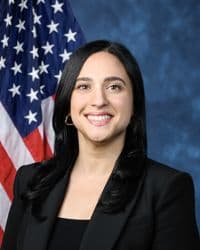
- Yassamin Ansari
- Cosponsors
- - 10 - 0
- Introduced
- In Committee
What this bill would do
The Mental Health Emergency Responder Act aims to create a competitive grant program managed by the Secretary of Health and Human Services. This program is designed to help eligible entities develop or expand behavioral health crisis response programs that do not rely primarily on law enforcement. Eligible groups include local or Tribal governments, emergency medical services, fire departments, and certain clinics or nonprofits. Funds can be used for recruiting professionals, integrating co-response teams, and providing community education. The Secretary will prioritize areas that currently lack these types of programs or have limited capacity.
Yes· 3 of 7
Does this make mental health care easier to get?+7
The bill funds the development of behavioral health crisis response programs and mobile crisis teams.
Does this change how police departments operate?+6
The bill provides alternatives to law enforcement as primary responders for behavioral health emergencies.
Does this make health care easier to get in general?+5
The act expands access to specialized emergency services for behavioral health crises.
The opposite
No question was scored the opposite.
Who it would affect, and how
Potential Positive Impacts for People
-
Development of Specialized Response Teams: Grant funds can be used to recruit, train, and equip behavioral health professionals and paramedics to handle crisis situations (Section 2(c)(1)).
-
Improved Dispatch Integration: The bill allows for the integration of co-response teams into 911 or 988 call dispatch systems (Section 2(c)(2)).
-
Community Awareness: Funds can provide community education and outreach regarding options other than police-led responses (Section 2(c)(3)).
-
Alternative Primary Responders: The act allows for the establishment of clinician-led mobile crisis teams or emergency medical services agencies to serve as primary responders to behavioral health emergencies instead of law enforcement (Section 2(c)(5)).
-
Streamlined Transfers: The bill allows for the development of protocols so emergency medical services can take custody of civilians from police to transport them to mental health facilities, provided it is legal under State law (Section 2(c)(4)).
Potential Negative Impacts for People
-
Legal Limitations on Detention: The bill specifies that no entity is authorized to engage in emergency detention or involuntary transport beyond what is specifically permitted under applicable State law (Section 2(d)(2)).
-
Constraints on Government Changes: The act does not require any State or local government to modify their existing emergency detention or custody laws (Section 2(d)(1)).
Groups and Interests Ranking
Every group the model scored this bill for, from -10 to +10. Hover a score for the reason it gave.
- Healthcare
- Improves Mental Health Access+7Improves Healthcare Access+5
- Demographic And Interest Groups
- Good For Native Americans+5Good For Low Income Households+4Good For Urban Residents+2
- Social Issues And Justice
- Improves Policing Reform+6Improves Racial Equity+3
- 10/14/2025
- 1 Cosponsor added.
- 10/8/2025
- Referred to the House Committee on Energy and Commerce.
- 9 Cosponsors added.
- Introduced in House
 Yvette Clarke
Democrat · New York
 Troy Carter
Democrat · Louisiana
 Sylvia Garcia
Democrat · Texas
 Daniel Goldman
Democrat · New York
 Eleanor Norton
Democrat · District of Columbia
 Andrea Salinas
Democrat · Oregon
 Bennie Thompson
Democrat · Mississippi
 Rashida Tlaib
Democrat · Michigan
 Shri Thanedar
Democrat · Michigan
 Bonnie Watson Coleman
Democrat · New Jersey