Bill · H.R. 5523· House(119-HR-5523)
Let Experienced Pilots Fly Act of 2025
- Introduced
- 9/19/2025
- Last activity
- 9/20/2025 — Referred to the Subcommittee on Aviation.
- Sponsored by
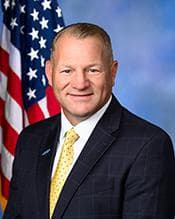
- Troy Nehls
- Cosponsors
- - 3 - 0
- Introduced
- In Committee
What this bill would do
The Let Experienced Pilots Fly Act of 2025 seeks to amend title 49 of the United States Code. This bill aims to raise the retirement age for pilots engaged in multicrew covered operations to 67 years of age. It includes provisions for pilots over 65 to return to service. The act also addresses medical standards and requirements for first-class medical certificates for those over 60. Additionally, it mandates that air carriers continue using FAA-approved training programs. Finally, the FAA Administrator is required to submit a report regarding further increasing the age limitation.
Yes· 3 of 4
Would people over 65 be better off under this?+6
The bill allows pilots over 65 to return to service and work until age 67.
Would retired people be better off under this?+5
The act provides a mechanism for older pilots to continue working instead of entering full retirement.
Is this likely to create jobs?+3
The bill extends the earning potential and employment duration for commercial pilots by raising the retirement age to 67.
The opposite
No question was scored the opposite.
Who it would affect, and how
Potential Positive Impacts for People
-
Extended Career Longevity: Pilots engaged in multicrew covered operations may serve until 67 years of age, allowing for an extended working life (Sec. 2, subsection a).
-
Return to Service Opportunities: Pilots who are already over 65 years of age on the date the bill is enacted may return to service in multicrew covered operations until they reach age 67 (Sec. 2, subsection d, paragraph 1).
-
Consistent Medical Standards: Pilots will not be subject to different or more frequent medical examinations based on age unless the FAA Administrator determines it is necessary for flight safety based on new data or studies (Sec. 2, subsection f, paragraph 1).
Potential Negative Impacts for People
- Mandatory Medical Certification: Any person who has attained 60 years of age must hold a first-class medical certificate to serve as a pilot in covered operations, and this certificate expires on the last day of the 6-month period following the date of examination (Sec. 2, subsection f, paragraph 2).
Groups and Interests Ranking
Every group the model scored this bill for, from -10 to +10. Hover a score for the reason it gave.
- Demographic And Interest Groups
- Good For Seniors+6Good For Retirees+5Good For High Income Households+2
- Economy And Finance
- Increases Job Creation+3
- 7/15/2026
- 1 Cosponsor added.
- 7/13/2026
- 1 Cosponsor added.
- 9/23/2025
- 1 Cosponsor added.
- 9/20/2025
- Referred to the Subcommittee on Aviation.
- 9/19/2025
- Referred to the House Committee on Transportation and Infrastructure.
- Introduced in House
 Mark Amodei
Republican · Nevada
 Andy Biggs
Republican · Arizona
 Derrick Van Orden
Republican · Wisconsin