Bill · H.R. 5399· House(119-HR-5399)
Equitable Arts Education Enhancement Act
- Introduced
- 9/16/2025
- Last activity
- 9/16/2025 — Referred to the House Committee on Education and Workforce.
- Sponsored by
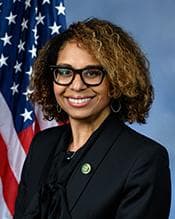
- Sydney Kamlager-Dove
- Cosponsors
- - 9 - 0
- Introduced
- In Committee
What this bill would do
The Equitable Arts Education Enhancement Act directs the Secretary of Education to create a competitive grant program for minority-serving institutions (MSIs). These grants are intended to support arts education at these institutions. Funds can be used for student financial assistance, mentorship, and the preservation of minority art collections. The goal is to increase access to arts education for racial minorities and support the training of future arts educators.
Yes· 3 of 14
Would Black Americans be better off under this?+9
Specifically targets minority-serving institutions and BIPOC artists for funding and support.
Would Hispanic Americans be better off under this?+9
Specifically targets minority-serving institutions and BIPOC artists for funding and support.
Would Asian Americans be better off under this?+9
Specifically targets minority-serving institutions and BIPOC artists for funding and support.
The opposite
Does this reduce what the federal government spends?-2
Increases government spending by establishing a new grant program.
Does this reduce what the federal government owes?-1
Authorizes new federal spending for grant programs.
Who it would affect, and how
Potential Positive Impacts for People
-
Increased Access and Support: Grants may provide financial assistance, wraparound services like career advising and mentorship, and stipends for students in arts and cultural programs (Section 3(c)).
-
Professional Development: The bill provides for well-paid internships, fellowships, and professional learning opportunities through partnerships with nonprofit organizations (Section 3(c)).
-
Cultural Preservation: Funds can be used to present, exhibit, and protect minority art collections (Section 3(c)).
-
Teacher Training: The program supports the development of mentoring programs and provides training and stipends for mentor teachers (Section 3(c)).
Potential Negative Impacts for People
- Competitive Funding: Because grants are awarded on a competitive basis, some minority-serving institutions may not receive any funding (Section 3(a)).
Groups and Interests Ranking
Every group the model scored this bill for, from -10 to +10. Hover a score for the reason it gave.
- Demographic And Interest Groups
- Good For African Americans+9Good For Asian Americans+9Good For Hispanic Americans+9Good For Native Americans+9Good For Students+8Good For Young Adults+7Good For Low Income Households+6Good For Middle Class Households+2
- Social Issues And Justice
- Improves Racial Equity+8Improves Poverty Reduction+3
- Education And Technology
- Improves College Affordability+6
- Governance And Ideology
- Increases Federal Power+2
- Economy And Finance
- Increases Job Creation+2Improves Economic Growth+1Reduces Government Spending-2Reduces National Debt-1
- 7/13/2026
- 1 Cosponsor added.
- 6/30/2026
- 1 Cosponsor added.
- 10/8/2025
- 1 Cosponsor added.
- 10/3/2025
- 1 Cosponsor added.
- 9/16/2025
- Referred to the House Committee on Education and Workforce.
- 5 Cosponsors added.
- Introduced in House
 Suzanne Bonamici
Democrat · Oregon
 Veronica Escobar
Democrat · Texas
 Cleo Fields
Democrat · Louisiana
 Maxwell Frost
Democrat · Florida
 Valerie Foushee
Democrat · North Carolina
 Eleanor Norton
Democrat · District of Columbia
 Deborah Ross
Democrat · North Carolina
 Shri Thanedar
Democrat · Michigan
 Nydia Velázquez
Democrat · New York