Bill · H.R. 535· House(119-HR-535)
Inaugural Fund Integrity Act
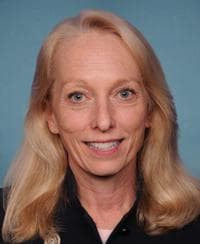
- Introduced
- 1/16/2025
- Last activity
- 1/16/2025 — Referred to the Committee on House Administration, and in addition to the Committee on Oversight and Government Reform, for a period to be subsequently determined by the Speaker, in each case for consideration of such provisions as fall within the jurisdiction of the committee concerned.
- Sponsored by
- Mary Gay Scanlon
- Cosponsors
- - 13 - 0
- Introduced
- In Committee
What this bill would do
The Inaugural Fund Integrity Act seeks to amend the Federal Election Campaign Act of 1971. It introduces strict rules for Inaugural Committees regarding what types of donations they can accept and how much they can receive. The bill prohibits donations from anyone who is not an individual and bans all donations from foreign nationals. It also prevents people from making donations in someone else's name and prohibits converting donations to personal use. Additionally, the act establishes new reporting requirements for donations and disbursements. These changes would apply to inaugural ceremonies starting in 2029.
Yes
Does this make what the government does easier for the public to see?+7
The bill mandates rapid disclosure of large donations and detailed final reporting on all committee disbursements.
The opposite
Would high-income households be better off under this?-4
The bill imposes a $50,000 cap on individual donations, limiting the political influence of wealthy donors.
Would immigrants be better off under this?-3
The bill strictly prohibits all donations from foreign nationals, which impacts non-citizen residents.
Who it would affect, and how
Potential Positive Impacts for People
-
Prevention of Non-Individual Influence: By prohibiting committees from soliciting or receiving donations from anyone who is not an individual, the bill limits the influence of non-person entities on inaugural funds. (Section 2(a)(1)(A)(i))
-
Protection Against Foreign Influence: The bill prohibits foreign nationals from making donations or promising donations to an Inaugural Committee, which prevents foreign entities from contributing to these funds. (Section 2(a)(1)(A)(ii) and (C))
-
Ban on Personal Enrichment: The law prohibits the conversion of donations to personal use, ensuring that funds are used for committee responsibilities rather than an individual's private expenses. (Section 2(a)(1)(B)(iii) and (2))
-
Limiting Large Individual Contributions: The bill places a cap on how much a single individual can give to an Inaugural Committee, which is set at $50,000 and adjusted for inflation over time. (Section 2(b)(1))
-
Increased Transparency: The bill requires Inaugural Committees to file reports disclosing donations of $1,000 or more within 24 hours, as well as a final report detailing donations and disbursements of $200 or more. (Section 2(a)(3)(1) and (2))
Potential Negative Impacts for People
-
Restrictions on Unused Funds: While committees can give unused funds to certain non-profits, there are limitations on how these funds can be handled. (Section 2(a)(1)(3))
-
Stringent Reporting Burdens: Inaugural Committees must adhere to very specific and rapid reporting timelines, such as notifying the Commission within 24 hours of receiving a donation of $1,000 or more. (Section 2(a)(3)(1)(A))
Groups and Interests Ranking
Every group the model scored this bill for, from -10 to +10. Hover a score for the reason it gave.
- Demographic And Interest Groups
- Good For High Income Households-4Good For Immigrants-3
- Governance And Ideology
- Improves Government Transparency+7
- 1/22/2025
- 1 Cosponsor added.
- 1/21/2025
- 1 Cosponsor added.
- 1/16/2025
- Referred to the Committee on House Administration, and in addition to the Committee on Oversight and Government Reform, for a period to be subsequently determined by the Speaker, in each case for consideration of such provisions as fall within the jurisdiction of the committee concerned.
- 11 Cosponsors added.
- Introduced in House
One bill Congress.gov lists as related to this one — companions in the other chamber, earlier versions, and bills this one absorbed or was folded into.
 Donald Beyer
Democrat · Virginia
 Becca Balint
Democrat · Vermont
 Ed Case
Democrat · Hawaii
 André Carson
Democrat · Indiana
 Jasmine Crockett
Democrat · Texas
 Henry Johnson
Democrat · Georgia
 Joseph Morelle
Democrat · New York
 Kevin Mullin
Democrat · California
 Eleanor Norton
Democrat · District of Columbia
 Alexandria Ocasio-Cortez
Democrat · New York
 Jamie Raskin
Democrat · Maryland
 Paul Tonko
Democrat · New York
 Rashida Tlaib
Democrat · Michigan