Bill · H.R. 5265· House(119-HR-5265)
SAFE Ride Act of 2025
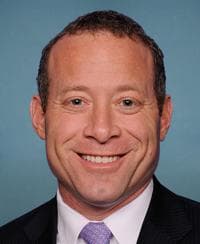
- Introduced
- 9/10/2025
- Last activity
- 9/10/2025 — Referred to the House Committee on Transportation and Infrastructure.
- Sponsored by
- Josh Gottheimer
- Cosponsors
- - 2 - 1
- Introduced
- In Committee
What this bill would do
This bill is known as the SAFE Ride Act of 2025. It directs the Secretary of Transportation to set up a grant program to provide funds to States for electric bike safety programs. To get these funds, States must meet specific requirements related to e-bike enforcement, education, and helmet laws. The bill also requires the Secretary to establish national standards recommending helmet use for riders under 18. Additionally, the Secretary must develop safety curricula and make them available to the public.
Yes· 3 of 9
Would children be better off under this?+3
The bill emphasizes helmet safety standards and educational programs specifically aimed at protecting minors and riders under 18.
Would people in cities be better off under this?+3
Urban residents benefit directly from safer shared e-bike systems and better regulation of micro-mobility options.
Does this cut the pollution that drives climate change?+3
Promoting safe electric bike usage can indirectly encourage eco-friendly micro-mobility alternatives to cars.
The opposite
No question was scored the opposite.
Who it would affect, and how
Potential Positive Impacts for People
-
States can receive grant funding if they provide public educational materials or programs on helmet use and safe riding specific to e-bikes, which helps keep people informed (Section 2(b)(2)).
-
The bill requires States to collect data on e-bike accidents, including reports by demographic from shared mobility operators, which helps track safety issues (Section 2(b)(4)).
-
States must support local law enforcement and provide grant funding and guidance to address unsafe underage riding, which includes educational outreach and collecting penalties (Section 2(b)(5) and Section 2(b)(6)).
-
The Secretary will develop safety curricula on e-bike usage and helmet safety and make them available to the public for use (Section 2(c)(2)).
Potential Negative Impacts for People
-
To be eligible for grants, States must implement helmet safety laws modeled after national standards that recommend helmet use for e-bike riders under the age of 18, which creates regulatory burdens for riders and states (Section 2(b)(3) and Section 2(c)(1)).
-
States must enforce safety requirements for shared e-bike systems and support local law enforcement efforts to enforce helmet laws and safety actions, which could lead to increased penalties or enforcement actions for the public (Section 2(b)(1), Section 2(b)(3), and Section 2(b)(5)).
-
Grant funding and guidance provided to local law enforcement specifically addresses unsafe underage riding through the collection of penalties and the impounding of unsafe vehicles, which directly burdens minors and vehicle owners (Section 2(b)(6)).
Groups and Interests Ranking
Every group the model scored this bill for, from -10 to +10. Hover a score for the reason it gave.
- Demographic And Interest Groups
- Good For Children+3Good For Urban Residents+3Good For Students+2Good For Young Adults+2
- Environment Energy And Infrastructure
- Reduces Carbon Emissions+3Improves Roads And Bridges+2
- Governance And Ideology
- Improves Government Transparency+2Increases Federal Power+2
- Economy And Finance
- Improves Consumer Protection+2
- 1/20/2026
- 1 Cosponsor added.
- 10/3/2025
- 1 Cosponsor added.
- 9/11/2025
- 1 Cosponsor added.
- 9/10/2025
- Referred to the House Committee on Transportation and Infrastructure.
- Introduced in House
 Michael Lawler
Republican · New York
 Kevin Mullin
Democrat · California
 Eric Swalwell
Democrat · California