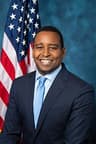
A Democratic bill with 6 Democratic cosponsors · See all 6 cosponsors
Last activity — Referred to the Subcommittee on Aviation.
In committee
Introduced and handed to a committee in the chamber it started in.
The committee holds it, and most bills are never heard from again. A hearing or a committee vote would be news; silence is the usual outcome, and it kills the bill without anyone voting against it.
Its path through Congress
- Introduced
- In Committee
What this bill would do
This bill, known as the "Aircraft Noise Reduction Act," aims to amend title 49 of the United States Code. It seeks to give owners or operators of general aviation airports the authority to impose certain restrictions regarding aircraft noise. Under this act, the FAA Administrator would consult with airport owners to allow for adjustments to air traffic and training patterns for noncommercial charter flights. The bill also requires that community input be considered during this process. Additionally, it ensures that federal funds cannot be withheld from airports based solely on these noise-related activities.
Yes· 3 of 6
- Scored +2
Would people in cities be better off under this?
Reducing aircraft noise through adjusted flight patterns provides a direct benefit to people living near airports.
- Scored +2
Would people in rural areas be better off under this?
Providing general aviation airports more authority over noise can benefit local rural communities surrounding those airports.
- Scored +2
Does this invest in rural communities?
The bill supports general aviation airports which are often vital components of rural infrastructure.
The opposite
No question was scored the opposite.
Who it would affect, and how
Potential Positive Impacts for People
-
Noise Abatement Adjustments: Owners or operators of general aviation airports can request that the FAA Administrator provide reasonable adjustments to air traffic and training patterns for noncommercial charter flights to implement noise limitations (Sec. 2(a)).
-
Community Voice: The bill requires that owners, operators, and the Administrator take into account input received from individuals or entities living in the communities surrounding the airport when implementing accommodations (Sec. 2(b)).
-
Implementation of Measures: The Secretary of Transportation is tasked with issuing regulations that allow owners and operators to implement effective noise abatement measures they deem appropriate (Sec. 2(c)).
Potential Negative Impacts for People
- Emergency Restrictions: The FAA Administrator maintains the power to reject or temporarily restrict any noise-related accommodations in the event of an emergency (Sec. 2(d)).
Groups and Interests Ranking
Every group the model scored this bill for, from -10 to +10. Tap or hover a score for the reason it gave.
- Demographic And Interest Groups
- Would people in rural areas be better off under this? — Providing general aviation airports more authority over noise can benefit local rural communities surrounding those airports. Would people in cities be better off under this? — Reducing aircraft noise through adjusted flight patterns provides a direct benefit to people living near airports. Would households on low incomes be better off under this? — Noise reduction benefits can improve the living environment for residents near airport flight paths.
- Environment Energy And Infrastructure
- Does this invest in rural communities? — The bill supports general aviation airports which are often vital components of rural infrastructure.
- Governance And Ideology
- Does this make what the government does easier for the public to see? — The bill mandates that the FAA Administrator and airport operators take into account community input during the accommodation process.
- Social Issues And Justice
- Does this make housing cost less? — Reducing aircraft noise may slightly improve the quality of life and stability for residents in areas near airports.
- 9/9/2025
- Referred to the Subcommittee on Aviation.
- 9/8/2025
- Referred to the House Committee on Transportation and Infrastructure.
- 6 Cosponsors added.
- Introduced in House
One bill Congress.gov lists as related to this one — companions in the other chamber, earlier versions, and bills this one absorbed or was folded into.
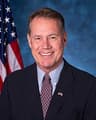 Ed Case
Democrat · Hawaii
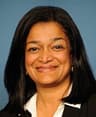 Pramila Jayapal
Democrat · Washington
 Ro Khanna
Democrat · California
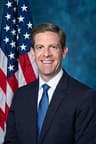 Mike Levin
Democrat · California
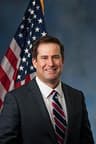 Seth Moulton
Democrat · Massachusetts
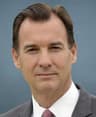 Thomas Suozzi
Democrat · New York