Bill · H.R. 5118· House(119-HR-5118)
Protecting Law Enforcement from Doxxing Act
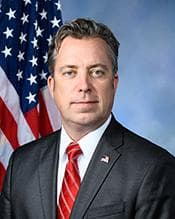
- Introduced
- 9/3/2025
- Last activity
- 9/3/2025 — Referred to the House Committee on the Judiciary.
- Sponsored by
- Andrew Ogles
- Cosponsors
- - 1 - 0
- Introduced
- In Committee
What this bill would do
This bill is called the Protecting Law Enforcement from Doxxing Act. It makes it a crime to publicly release the name of a Federal law enforcement officer if the person doing so has the intent to obstruct a criminal investigation or an immigration enforcement operation. A Federal law enforcement officer is defined as any officer, agent, or employee of the United States who is authorized to prevent, detect, investigate, or prosecute violations of Federal criminal or immigration law. Anyone who violates this new rule can face a fine, be imprisoned for up to five years, or both. The bill also makes technical updates to other related parts of United States law to include immigration enforcement operations alongside criminal investigations.
Yes
Does this change how police departments operate?+8
The bill enhances protections for federal law enforcement officers by criminalizing the public release of their names with the intent to obstruct official duties.
Does this tighten control of the border?+3
The legislation extends obstruction protections to include federal immigration enforcement operations.
Does this give the federal government more power?+2
The bill expands federal criminal statutes to protect federal law enforcement and immigration personnel.
The opposite
No question was scored the opposite.
Who it would affect, and how
Potential Positive Impacts for People
-
Protection for officers: Under Section 2, adding subsection (f)(2) to title 18, it becomes unlawful to make the name of a Federal law enforcement officer publicly available with the intent to obstruct a criminal investigation or immigration enforcement operation. This could be seen as positive because it protects officers from having their names released for obstructive purposes.
-
Clear penalties: Under Section 2, adding subsection (f)(3) to title 18, any person who violates the prohibition can be fined, imprisoned for up to five years, or both. This might be considered positive by those who want strict consequences for people trying to obstruct official duties by releasing officer names.
Potential Negative Impacts for People
- Criminal penalties for the public: Under Section 2, adding subsection (f)(3) to title 18, individuals who make the name of a Federal law enforcement officer publicly available with the specified intent face being fined, imprisoned for up to five years, or both. This is a potential burden or negative outcome for anyone who runs afoul of this new criminal prohibition.
Groups and Interests Ranking
Every group the model scored this bill for, from -10 to +10. Hover a score for the reason it gave.
- Social Issues And Justice
- Improves Policing Reform+8Improves Border Security+3
- Governance And Ideology
- Increases Federal Power+2
- 12/10/2025
- 1 Cosponsor added.
- 9/3/2025
- Referred to the House Committee on the Judiciary.
- Introduced in House
One bill Congress.gov lists as related to this one — companions in the other chamber, earlier versions, and bills this one absorbed or was folded into.
 John Carter
Republican · Texas