Bill · H.R. 5070· House(119-HR-5070)
Federal Police Camera and Accountability Act
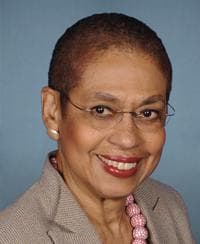
- Introduced
- 8/29/2025
- Last activity
- 8/29/2025 — Referred to the House Committee on the Judiciary.
- Sponsored by
- Eleanor Norton
- Cosponsors
- - 2 - 0
- Introduced
- In Committee
What this bill would do
This bill requires federal law enforcement officers to wear and use body-worn cameras during interactions with the public. It sets strict rules for when these cameras must be turned on or off, including shutting them off in private homes or around crime victims if requested. The legislation also bans the use of facial recognition or biometric surveillance technology on these cameras. Additionally, the bill mandates the installation of in-car video recording systems in federal patrol vehicles. Finally, it requires the Government Accountability Office to study federal law enforcement training, vehicle pursuits, and use of force.
Yes· 3 of 24
Does this make what the government does easier for the public to see?+8
Mandates recording of federal law enforcement and sets strict timelines for public release of force-related footage.
Does this change how police departments operate?+8
Mandates body cameras, prohibits biometric surveillance, and creates evidentiary presumptions for missing footage.
Does this protect the right to fair treatment by the courts?+7
Creates a legal presumption in favor of defendants if required evidence is destroyed or not captured.
The opposite
Does this give the government more power to monitor people inside the country?-2
Increases the amount of video recording of citizens by federal agents, despite restrictions.
Who it would affect, and how
Potential Positive Impacts for People
-
Privacy Protections in Private Homes: Under Section 2(e)(1), a federal officer must ask occupants if they want the body camera turned off before entering a private residence without a warrant, and must turn it off immediately if the occupant says yes. This protects people's personal privacy inside their own homes.
-
Support for Crime Victims: Under Section 2(e)(2), officers must ask apparent crime victims if they want the body camera turned off and comply immediately if requested. This helps victims feel safer and more secure when reporting or discussing crimes.
-
Transparency and Access to Footage: Under Section 2(i)(2) and Section 2(l), subjects of the footage, their legal counsel, and the general public have specific rights to inspect or request public release of the video recordings. This holds law enforcement accountable to the people they serve.
-
Ban on Invasive Surveillance: Under Section 4, cameras and recording devices used under this Act are strictly prohibited from employing facial recognition or other biometric surveillance technology. This protects citizens from invasive tracking and automated profiling by the government.
Potential Negative Impacts for People
-
Destruction of Evidence After Six Months: Under Section 2(i)(1), general body camera video footage is permanently deleted after six months unless it meets specific criteria for a three-year retention period. This creates a risk that helpful or necessary video evidence could be permanently lost before individuals realize they need it.
-
Restrictions on Public Release of Footage: Under Section 2(l)(2), video footage that is not subject to a minimum three-year retention period cannot be released to the public without express written permission from the non-law enforcement subjects. This could make it more difficult for the public to access everyday police interaction recordings.
Groups and Interests Ranking
Every group the model scored this bill for, from -10 to +10. Hover a score for the reason it gave.
- Demographic And Interest Groups
- Good For African Americans+6Good For Asian Americans+6Good For Hispanic Americans+6Good For Native Americans+6Good For Low Income Households+5Good For Rural Residents+5Good For Urban Residents+5Good For High Income Households+4Good For Immigrants+4Good For Middle Aged+4Good For Middle Class Households+4Good For Seniors+4Good For White Americans+4Good For Young Adults+4Good For Children+3
- Governance And Ideology
- Improves Government Transparency+8Improves Due Process+7Improves Privacy Rights+5Improves Freedom Of Speech+2
- Social Issues And Justice
- Improves Policing Reform+8Improves Racial Equity+4Improves Freedom Of Speech+2Improves Religious Freedom+2
- Education And Technology
- Improves Data Privacy+6
- National Security And Foreign Policy
- Increases Domestic Surveillance-2
- 7/13/2026
- 1 Cosponsor added.
- 8/29/2025
- Sponsor introductory remarks on measure. (CR E792)
- Referred to the House Committee on the Judiciary.
- 1 Cosponsor added.
- Introduced in House
One bill Congress.gov lists as related to this one — companions in the other chamber, earlier versions, and bills this one absorbed or was folded into.
 Donald Beyer
Democrat · Virginia
 Al Green
Democrat · Texas