Bill · H.R. 5051· House(119-HR-5051)
To require members of the Armed Forces performing active service in the District of Columbia in response to an order of the President which relates to crime or civil disturbance in the District of Columbia to participate in a program substantially similar to the Body-Worn Camera Program of the Metropolitan Police Department of the District of Columbia.
- Introduced
- 8/26/2025
- Last activity
- 8/26/2025 — Referred to the House Committee on Armed Services.
- Sponsored by
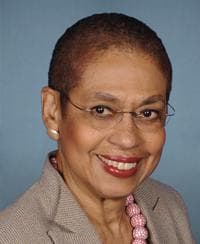
- Eleanor Norton
- Cosponsors
- - 1 - 0
- Introduced
- In Committee
What this bill would do
This bill requires members of the Armed Forces who are performing active service in the District of Columbia under a presidential order related to crime or civil disturbance to wear body cameras. The camera program they must participate in needs to be substantially similar to the Body-Worn Camera Program of the Metropolitan Police Department of the District of Columbia. The bill was introduced in the House of Representatives by Ms. Norton on August 26, 2025. It will take effect 30 days after the date the act is enacted.
Yes· 3 of 6
Does this make what the government does easier for the public to see?+6
Enhances transparency and oversight for military operations conducted domestically within the District of Columbia.
Does this change how police departments operate?+5
Improves transparency and accountability by requiring Armed Forces personnel on domestic civil duty to wear body cameras.
Would people in cities be better off under this?+4
Provides increased safety and accountability for residents of the District of Columbia during domestic military deployments.
The opposite
No question was scored the opposite.
Who it would affect, and how
Potential Positive Impacts for People
- Section 1(a) requires members of the Armed Forces performing active service in the District of Columbia due to a presidential order on crime or civil disturbance to participate in a program substantially similar to the local Metropolitan Police Department's body-worn camera program and wear a camera while performing that service. This could be considered a positive outcome because it brings accountability to the actions of armed forces personnel operating within a civilian community.
Potential Negative Impacts for People
- Based on the provided text, there are no specific sections or provisions identified that outline negative consequences or burdens for individuals or groups of people in the United States.
Groups and Interests Ranking
Every group the model scored this bill for, from -10 to +10. Hover a score for the reason it gave.
- Governance And Ideology
- Improves Government Transparency+6Improves Due Process+2
- Social Issues And Justice
- Improves Policing Reform+5Improves Racial Equity+2
- Demographic And Interest Groups
- Good For Urban Residents+4Good For African Americans+2
- 8/29/2025
- 1 Cosponsor added.
- 8/26/2025
- Sponsor introductory remarks on measure. (CR E789)
- Referred to the House Committee on Armed Services.
- Introduced in House
 Shri Thanedar
Democrat · Michigan