Bill · H.R. 5045· House(119-HR-5045)
HEALTH AI Act
- Introduced
- 8/26/2025
- Last activity
- 8/26/2025 — Referred to the House Committee on Energy and Commerce.
- Sponsored by
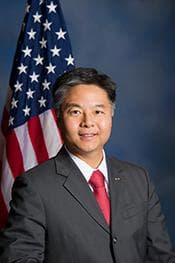
- Ted Lieu
- Cosponsors
- - 1 - 0
- Introduced
- In Committee
What this bill would do
This bill is known as the Healthcare Enhancement And Learning Through Harnessing Artificial Intelligence Act or the HEALTH AI Act. It directs the Secretary of Health and Human Services to set up a grant program for researching how generative artificial intelligence can be used in health care. Eligible groups that can receive these grants include higher education institutions, certain tax-exempt organizations, and government or Indian Tribe agencies. The research can look at using generative artificial intelligence to improve doctor notes, cut down paperwork for clinicians, speed up insurance claims, and better customer service. When handing out these grants, the Secretary must give priority to groups that focus on areas like workforce development, reducing health disparities, and helping medically underserved populations.
Yes· 3 of 14
Does this put more money into scientific research?+8
The bill specifically directs the establishment of a grant program to fund research into generative AI in healthcare.
Does this put more money into medical research?+7
The legislation directly establishes a grant program to facilitate research regarding the use of generative artificial intelligence in healthcare.
Does this make health care easier to get in general?+6
The bill funds research to improve healthcare efficiency, reduce administrative burdens, and prioritize medically underserved populations.
The opposite
No question was scored the opposite.
Who it would affect, and how
Potential Positive Impacts for People
-
Section 2(b)(1): This provision allows research into using generative artificial intelligence to help health care practitioners record comprehensive notes or ask medically relevant questions during patient appointments, which could improve the quality of patient visits.
-
Section 2(b)(2): This provision permits research on reducing the administrative or documentation burden on clinicians, which may help doctors and nurses spend less time on paperwork.
-
Section 2(b)(3): This provision funds research to expedite the health insurance claims process, potentially making insurance processing faster for individuals.
-
Section 2(c)(3): This provision gives priority to entities that work to mitigate burnout in the health care workforce, supporting the well-being of the people who care for us.
-
Section 2(c)(4) and Section 2(c)(5): These provisions prioritize grant applicants that reduce gender, racial, and ethnic disparities in health outcomes and improve patient care availability for medically underserved populations, helping to make health care more fair and accessible.
Potential Negative Impacts for People
- The provided text does not contain any specific sections or provisions outlining negative consequences, burdens, or harms for individuals or groups of people in the United States.
Groups and Interests Ranking
Every group the model scored this bill for, from -10 to +10. Hover a score for the reason it gave.
- Demographic And Interest Groups
- Good For African Americans+4Good For Asian Americans+4Good For Hispanic Americans+4Good For Low Income Households+4Good For Native Americans+4Good For Rural Residents+4Good For Women+4
- Healthcare
- Increases Research Funding+7Improves Healthcare Access+6
- Education And Technology
- Increases Scientific Research Funding+8
- Social Issues And Justice
- Improves Gender Equality+4Improves Racial Equity+4
- Economy And Finance
- Improves Economic Growth+2
- Governance And Ideology
- Increases Federal Power+2
- 8/26/2025
- Referred to the House Committee on Energy and Commerce.
- 1 Cosponsor added.
- Introduced in House
 Ami Bera
Democrat · California