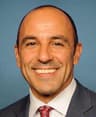
Jimmy Panetta (D-CA)
Immigrant Witness and Victim Protection Act of 2025
A Democratic bill with 2 Democratic cosponsors · See all 2 cosponsors
Last activity — Referred to the House Committee on the Judiciary.
In committee
Introduced and handed to a committee in the chamber it started in.
The committee holds it, and most bills are never heard from again. A hearing or a committee vote would be news; silence is the usual outcome, and it kills the bill without anyone voting against it.
Its path through Congress
- Introduced
- In Committee
What this bill would do
The bill is titled the Immigrant Witness and Victim Protection Act of 2025. It amends the Immigration and Nationality Act to remove annual visa limits for certain immigrants. It requires the Secretary of Homeland Security to give work authorization to specific immigrants with pending applications. The legislation also establishes a stay of removal for certain qualifying aliens. Additionally, it places restrictions on the detention of certain victims. Finally, the bill sets penalties for the unauthorized disclosure of applicant information.
Yes· 3 of 23
- Scored +9
Would immigrants be better off under this?
Extensively expands legal protections, work authorizations, stays of removal, and removes visa caps for vulnerable immigrants.
- Scored +8
Does this make it easier for immigrants already here to become citizens?
Significantly improves legal pathways and protections for victims of crimes, domestic violence, and human trafficking.
- Scored +7
Would women be better off under this?
Significantly benefits women by strengthening protections and support for domestic violence and sexual assault survivors.
The opposite
No question was scored the opposite.
Who it would affect, and how
Potential Positive Impacts for People
-
Section 3 & Section 4: These sections eliminate annual numerical limitations on U visas and Special Immigrant Juvenile visas. This is positive because it removes caps that could otherwise prevent eligible survivors and juveniles from receiving humanitarian visas.
-
Section 5: This section requires the Secretary of Homeland Security to grant employment authorization to certain immigrants, such as U visa, T visa, and VAWA self-petitioners, upon approval or no later than 180 days after filing. This helps individuals gain self-sufficiency and escape abusive situations by supporting themselves and their families.
-
Section 6: This section provides a stay of removal for qualifying aliens with pending or approved applications until there is a final denial after administrative and judicial review. This ensures that vulnerable individuals are not deported while awaiting decisions on their cases.
-
Section 7: This section establishes a presumption of release from detention for certain victims with pending or approved applications, stating they should be released unless clear and convincing evidence shows they are a threat or a flight risk. This prevents victims from facing unnecessary detention while navigating the legal system.
-
Section 8: This section restricts the Department of Homeland Security and the Department of Justice from using furnished applicant information for purposes other than making a determination on the application or enforcing specific subsections. This protects the privacy of applicants by prohibiting the publication of identifying information.
Potential Negative Impacts for People
- The provided text does not contain explicit provisions outlining negative consequences, burdens, or negative impacts for individuals or groups of people in the United States.
Groups and Interests Ranking
Every group the model scored this bill for, from -10 to +10. Tap or hover a score for the reason it gave.
- Demographic And Interest Groups
- Would immigrants be better off under this? — Extensively expands legal protections, work authorizations, stays of removal, and removes visa caps for vulnerable immigrants. Would women be better off under this? — Significantly benefits women by strengthening protections and support for domestic violence and sexual assault survivors. Would children be better off under this? — Eliminates numerical caps on Special Immigrant Juvenile Visas to protect abused, neglected, or abandoned youth. Would households on low incomes be better off under this? — Provides critical economic stability and work authorization to impoverished crime victims. Would Hispanic Americans be better off under this? — Benefits immigrant communities, a significant portion of whom are Hispanic, by protecting victims from deportation. Would people in their twenties and thirties be better off under this? — Provides essential protections and work authorization for young adult crime and trafficking survivors. Would people in middle age be better off under this? — Aids middle-aged immigrant survivors of domestic violence and other qualifying crimes. Would Black Americans be better off under this? — Supports immigrant minority communities who may be affected by domestic violence or trafficking. Would Asian Americans be better off under this? — Provides protections to Asian immigrant survivors of human trafficking and domestic violence. Would LGBTQ people be better off under this? — Protects vulnerable LGBTQ individuals who may be survivors of domestic violence or targeted crimes. Would men be better off under this? — Provides neutral protections for male victims of qualifying crimes and human trafficking. Would people with disabilities be better off under this? — Includes protections for vulnerable disabled individuals who may be victims of abuse or exploitation.
- Social Issues And Justice
- Does this make it easier for immigrants already here to become citizens? — Significantly improves legal pathways and protections for victims of crimes, domestic violence, and human trafficking. Is this likely to lift people out of poverty? — Enabling victims to work legally helps them achieve self-sufficiency and escape abusive, impoverished conditions. Does this narrow the gap between how men and women are treated? — Enhances protections for survivors of domestic violence and sexual assault, who are disproportionately women. Does this narrow racial gaps in how people are treated? — The bill protects vulnerable minority populations who often comprise a significant portion of crime and trafficking victims. Is this likely to reduce homelessness? — Providing stability and work authorization helps vulnerable victims secure stable housing.
- Governance And Ideology
- Does this protect the right to fair treatment by the courts? — Provides stays of removal, limits detention, and ensures administrative and judicial review for petitioners. Does this protect people from being watched or searched? — Strengthens strict penalties and restrictions on the disclosure of sensitive applicant information. Does this make what the government does easier for the public to see? — Requires annual reporting to Congress regarding training and privacy violation investigations. Does this give the federal government more power? — Imposes federal mandates regarding DHS detention and work authorization procedures.
- Economy And Finance
- Is this likely to create jobs? — Providing work authorization to pending visa applicants allows them to formally enter the labor market. Is this likely to grow the economy? — Integrating crime survivors into the formal workforce can modestly boost economic productivity.
- 9/24/2026
- 1 Cosponsor added.
- 7/29/2025
- Referred to the House Committee on the Judiciary.
- 1 Cosponsor added.
- Introduced in House
 Gwen Moore
Democrat · Wisconsin
 Andrea Salinas
Democrat · Oregon