
A Democratic bill with 38 Democratic cosponsors · See all 38 cosponsors
Last activity — Referred to the House Committee on Ways and Means.
In committee
Introduced and handed to a committee in the chamber it started in.
The committee holds it, and most bills are never heard from again. A hearing or a committee vote would be news; silence is the usual outcome, and it kills the bill without anyone voting against it.
Its path through Congress
- Introduced
- In Committee
What this bill would do
This bill, called the "Hands Off Our Social Security Act", aims to protect Social Security benefits and the Social Security Administration's operations. It prevents unauthorized changes to benefits, data mining, privatization, workforce reductions, office closures, and harmful communication changes. The bill also mandates Government Accountability Office (GAO) audits to ensure compliance.
Yes· 3 of 22
- Scored +8
Would people over 65 be better off under this?
Seniors directly benefit from the bill's protection of Social Security benefits, ensuring they continue to receive their entitled payments and have access to SSA services.
- Scored +8
Would retired people be better off under this?
Retirees directly benefit from the bill's protection of Social Security benefits, ensuring the continuation of their entitled payments and access to SSA services.
- Scored +8
Does this strengthen Social Security?
This bill directly protects Social Security benefits by preventing unauthorized changes, data mining, privatization, and service reductions, ensuring the stability and accessibility of the program for beneficiaries.
The opposite
No question was scored the opposite.
Who it would affect, and how
Potential Positive Impacts for People
- Protection of Social Security Benefits (Sec. 3): Prevents unauthorized changes to benefits, ensuring people receive what they are entitled to.
- Protection of Personal Data (Sec. 4): Prohibits unauthorized data mining, safeguarding beneficiaries' and applicants' personal information.
- No Privatization of Social Security (Sec. 5): Prevents Social Security from being privatized, maintaining it as a federal responsibility.
- Preservation of SSA Workforce (Sec. 6): Prevents unauthorized workforce reductions at the Social Security Administration, helping to maintain service levels.
- Prevention of Office Closures (Sec. 7): Stops the closure of SSA offices without congressional approval, ensuring access to in-person assistance.
- Maintenance of Communication Channels (Sec. 8): Requires the Social Security Administration to maintain telephone and in-person communication services, ensuring beneficiaries can get help through multiple channels.
Potential Negative Impacts for People
- There are no explicitly stated negative impacts for people within the provided text of the bill.
Groups and Interests Ranking
Every group the model scored this bill for, from -10 to +10. Tap or hover a score for the reason it gave.
- Demographic And Interest Groups
- Would retired people be better off under this? — Retirees directly benefit from the bill's protection of Social Security benefits, ensuring the continuation of their entitled payments and access to SSA services. Would people over 65 be better off under this? — Seniors directly benefit from the bill's protection of Social Security benefits, ensuring they continue to receive their entitled payments and have access to SSA services. Would households on low incomes be better off under this? — Low-income households, who heavily rely on Social Security benefits, benefit from the protections against unauthorized changes, privatization, and service reductions. Would people with disabilities be better off under this? — People with disabilities often rely on Social Security disability benefits, and they would benefit from the protections this bill provides against unauthorized changes and service reductions. Would people in middle age be better off under this? — Middle-aged individuals benefit as they are currently contributing to Social Security and need assurance that their future benefits are protected from unauthorized changes. Would middle-income households be better off under this? — Middle-class households benefit from the assurance that their Social Security benefits will remain stable and accessible, without unauthorized modifications or service disruptions. Would people in rural areas be better off under this? — Rural residents benefit from the bill's prohibition on office closures, ensuring continued access to essential Social Security services in rural areas. Would people in their twenties and thirties be better off under this? — Young adults who will contribute to and eventually rely on Social Security benefit from the bill's protections ensuring the system's stability and preventing unauthorized changes. Would men be better off under this? — Men benefit from the bill's protection of Social Security, ensuring stability and accessibility of benefits regardless of demographic group. Would women be better off under this? — Women, who tend to live longer and rely more on Social Security benefits, benefit from the bill's protections ensuring long-term stability and preventing unauthorized changes. Would Black Americans be better off under this? — African Americans, who may disproportionately rely on Social Security benefits, benefit from protections against unauthorized changes and service reductions. Would Asian Americans be better off under this? — Asian Americans, who may disproportionately rely on Social Security benefits, benefit from protections against unauthorized changes and service reductions. Would Hispanic Americans be better off under this? — Hispanic Americans, who may disproportionately rely on Social Security benefits, benefit from protections against unauthorized changes and service reductions. Would Native Americans be better off under this? — Native Americans, who may disproportionately rely on Social Security benefits, benefit from protections against unauthorized changes and service reductions. Would white Americans be better off under this? — White Americans benefit from the bill's protection of Social Security, ensuring stability and accessibility of benefits regardless of demographic group. Would people in cities be better off under this? — Urban residents benefit from the protection of SSA field offices in their communities, ensuring access to in-person assistance and services. Would high-income households be better off under this? — High-income households, while less reliant on Social Security, still benefit from the stability and security of the system as a component of overall financial planning.
- Governance And Ideology
- Does this protect people from being watched or searched? — Section 4 of the bill improves privacy rights by prohibiting unauthorized data mining and use of personal information by federal officers and contractors. Does this make what the government does easier for the public to see? — The bill mandates GAO audits of SSA operations and requires reports to Congress, enhancing government transparency regarding Social Security administration. Does this give the federal government more power? — The bill reinforces federal control over Social Security by requiring congressional approval for any changes to benefits, workforce reductions, or office closures.
- Social Issues And Justice
- Does this strengthen Social Security? — This bill directly protects Social Security benefits by preventing unauthorized changes, data mining, privatization, and service reductions, ensuring the stability and accessibility of the program for beneficiaries.
- Education And Technology
- Does this give people more control over their personal data? — Section 4 of the bill prohibits unauthorized data mining and privacy violations, improving data privacy for Social Security beneficiaries and applicants.
- 8/31/2026
- 1 Cosponsor added.
- 8/22/2025
- 3 Cosponsors added.
- 8/8/2025
- 31 Cosponsors added.
- 7/23/2025
- Sponsor introductory remarks on measure. (CR H3567)
- Referred to the House Committee on Ways and Means.
- 3 Cosponsors added.
- Introduced in House
 Yassamin Ansari
Democrat · Arizona
 Suzanne Bonamici
Democrat · Oregon
 Nanette Barragán
Democrat · California
 Becca Balint
Democrat · Vermont
 Gilbert Cisneros
Democrat · California
 Troy Carter
Democrat · Louisiana
 Veronica Escobar
Democrat · Texas
 Lois Frankel
Democrat · Florida
 Lizzie Fletcher
Democrat · Texas
 Valerie Foushee
Democrat · North Carolina
 Vicente Gonzalez
Democrat · Texas
 Jesús García
Democrat · Illinois
 Sylvia Garcia
Democrat · Texas
 Val Hoyle
Democrat · Oregon
 Glenn Ivey
Democrat · Maryland
 Pramila Jayapal
Democrat · Washington
 Julie Johnson
Democrat · Texas
 Marcy Kaptur
Democrat · Ohio
 Robin Kelly
Democrat · Illinois
 Sydney Kamlager-Dove
Democrat · California
 Zoe Lofgren
Democrat · California
 John Larson
Democrat · Connecticut
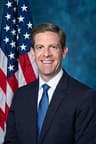 Mike Levin
Democrat · California
 Greg Landsman
Democrat · Ohio
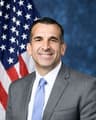 Sam Liccardo
Democrat · California
 Jared Moskowitz
Democrat · Florida
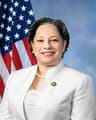 Jennifer McClellan
Democrat · Virginia
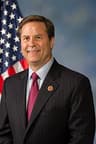 Donald Norcross
Democrat · New Jersey
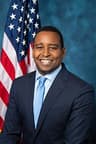 Joe Neguse
Democrat · Colorado
 Deborah Ross
Democrat · North Carolina
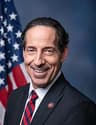 Jamie Raskin
Democrat · Maryland
 Emily Randall
Democrat · Washington
 Mary Gay Scanlon
Democrat · Pennsylvania
 Andrea Salinas
Democrat · Oregon
 Lateefah Simon
Democrat · California
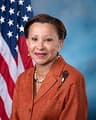 Nydia Velázquez
Democrat · New York
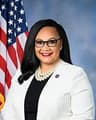 Nikema Williams
Democrat · Georgia
 Frederica Wilson
Democrat · Florida