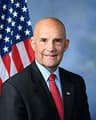
Keith Self (R-TX)
To codify Executive Order 14235 relating to restoring public service loan forgiveness.
A Republican bill with no cosponsors
Last activity — Referred to the House Committee on Education and Workforce.
In committee
Introduced and handed to a committee in the chamber it started in.
The committee holds it, and most bills are never heard from again. A hearing or a committee vote would be news; silence is the usual outcome, and it kills the bill without anyone voting against it.
Its path through Congress
- Introduced
- In Committee
What this bill would do
This bill aims to codify Executive Order 14235. The order relates to restoring public service loan forgiveness. By passing this, the provisions of the executive order would have the force and effect of law. The bill was introduced by Mr. Self in the House of Representatives.
Yes· 3 of 8
- Scored +10
Does this reduce what student borrowers owe or repay?
The bill codifies the restoration of public service loan forgiveness, directly reducing the burden of student debt.
- Scored +8
Would students be better off under this?
The bill directly benefits current and former students by providing a path to loan forgiveness through public service.
- Scored +7
Would people in their twenties and thirties be better off under this?
Public service loan forgiveness primarily benefits young professionals entering public service careers.
The opposite
No question was scored the opposite.
Who it would affect, and how
Potential Positive Impacts for People
- Restoration of loan forgiveness: The bill seeks to codify Executive Order 14235, which relates to restoring public service loan forgiveness (Section 1). This could benefit individuals eligible for such programs.
Potential Negative Impacts for People
- No negative impacts identified: The provided text does not contain specific details regarding potential negative consequences or burdens.
Groups and Interests Ranking
Every group the model scored this bill for, from -10 to +10. Tap or hover a score for the reason it gave.
- Demographic And Interest Groups
- Would students be better off under this? — The bill directly benefits current and former students by providing a path to loan forgiveness through public service. Would people in their twenties and thirties be better off under this? — Public service loan forgiveness primarily benefits young professionals entering public service careers. Would middle-income households be better off under this? — The bill helps middle-class workers manage and reduce their long-term student loan debt. Would households on low incomes be better off under this? — Debt forgiveness provides significant financial relief to lower-income individuals serving in public roles. Would people in middle age be better off under this? — The bill provides relief to middle-aged professionals who may still be paying off significant student loan balances.
- Education And Technology
- Does this reduce what student borrowers owe or repay? — The bill codifies the restoration of public service loan forgiveness, directly reducing the burden of student debt.
- Social Issues And Justice
- Is this likely to lift people out of poverty? — Forgiving student debt provides financial relief that can help lift individuals out of debt-related poverty.
- Economy And Finance
- Does this strengthen the rights of workers to organise? — The restoration of public service loan forgiveness benefits public sector employees often represented by unions.
- 7/23/2025
- Referred to the House Committee on Education and Workforce.
- Introduced in House