Bill · H.R. 4695· House(119-HR-4695)
Facial Recognition Act of 2025
- Introduced
- 7/23/2025
- Last activity
- 7/23/2025 — Referred to the Committee on the Judiciary, and in addition to the Committee on Science, Space, and Technology, for a period to be subsequently determined by the Speaker, in each case for consideration of such provisions as fall within the jurisdiction of the committee concerned.
- Sponsored by
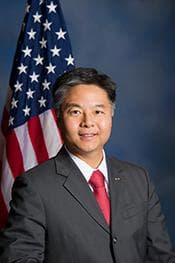
- Ted Lieu
- Cosponsors
- - 5 - 0
- Introduced
- In Committee
What this bill would do
The Facial Recognition Act of 2025 seeks to regulate how law enforcement uses facial recognition technology. It requires officers to obtain a court order before using facial recognition with reference photo databases, except in specific emergency situations. The bill mandates strict database maintenance, including the removal of certain photos from arrest databases. It also requires annual accuracy and bias testing through the National Institute of Standards and Technology. Additionally, the Act establishes reporting, auditing, and transparency requirements for government agencies. Finally, it provides for civil actions and penalties to ensure compliance with these new regulations.
Yes· 3 of 13
Does this protect people from being watched or searched?+8
The bill protects individuals from unconstitutional facial recognition surveillance through civil action and judicial oversight.
Does this give people more control over their personal data?+8
The bill limits the ability of law enforcement to use facial recognition databases without judicial oversight.
Would children be better off under this?+7
The bill requires the removal of photos of individuals under the age of 18 from arrest photo databases.
The opposite
Does this tighten control of the border?-4
The bill prohibits using facial recognition technology to enforce immigration laws.
Does this make the government pay for what it commits to?-2
The bill imposes a 15 percent reduction in certain grant awards for non-compliant state and local governments.
Who it would affect, and how
Potential Positive Impacts for People
-
Protection of Privacy for Individuals Not Charged with Crimes: Law enforcement must remove photos from arrest databases if a person is under 18, released without charge, had charges dropped/dismissed, or was acquitted. (Section 101(a)(2))
-
Prevention of Discrimination: The bill prohibits law enforcement from relying on race, ethnicity, national origin, religion, disability, gender, gender identity, or sexual orientation when selecting who to subject to facial recognition. (Section 102(a)(2))
-
Protection of Constitutional Rights: Officers are prohibited from using facial recognition to create records describing how individuals exercise rights like free assembly, association, and speech. (Section 102(a)(1))
-
Ensuring Accuracy and Reducing Bias: Facial recognition systems must undergo annual benchmark and operational testing to ensure they are accurate and do not vary significantly based on race, ethnicity, gender, or age. (Section 106(a) and 106(d))
-
Accountability Through Legal Recourse: Individuals subject to facial recognition in violation of the Act can bring civil actions to recover damages or seek equitable relief. (Section 107(c))
-
Increased Transparency for Citizens: State departments of motor vehicles must provide public notices regarding how officers use and access facial recognition for driver's license and ID photo searches. (Section 101(a)(5))
Potential Negative Impacts for People
-
Financial Penalties for Local Governments: If a State or local government fails to comply with this Act, the Attorney General may reduce their grant awards by 15 percent in the following fiscal year. (Section 2)
-
Restrictions on Investigative Capabilities: Officers are prohibited from using facial recognition for face surveillance or in conjunction with images from body cameras, dashboard cameras, or drones. (Section 102(b) and 102(c))
-
Evidentiary Limitations: Any evidence or results derived from facial recognition use that violates this Act cannot be used in any trial, hearing, or legal proceeding. (Section 107(a))
Groups and Interests Ranking
Every group the model scored this bill for, from -10 to +10. Hover a score for the reason it gave.
- Demographic And Interest Groups
- Good For Children+7Good For African Americans+5Good For Hispanic Americans+5Good For People With Disabilities+5
- Governance And Ideology
- Improves Privacy Rights+8Improves Freedom Of Speech+7Improves Government Transparency+7
- Social Issues And Justice
- Improves Policing Reform+7Improves Gender Equality+6Improves Racial Equity+6Improves Disability Rights+5Improves Border Security-4
- Education And Technology
- Improves Data Privacy+8Increases Scientific Research Funding+5
- Economy And Finance
- Improves Fiscal Responsibility-2
- 3/16/2026
- 1 Cosponsor added.
- 7/23/2025
- Referred to the Committee on the Judiciary, and in addition to the Committee on Science, Space, and Technology, for a period to be subsequently determined by the Speaker, in each case for consideration of such provisions as fall within the jurisdiction of the committee concerned.
- 4 Cosponsors added.
- Introduced in House
 Yvette Clarke
Democrat · New York
 Jimmy Gomez
Democrat · California
 Glenn Ivey
Democrat · Maryland
 Adam Smith
Democrat · Washington
 Marc Veasey
Democrat · Texas