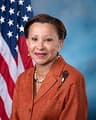
A Democratic bill with 2 Republican cosponsors · See all 6 cosponsors
Last activity — Referred to the House Committee on Education and Workforce.
In committee
Introduced and handed to a committee in the chamber it started in.
The committee holds it, and most bills are never heard from again. A hearing or a committee vote would be news; silence is the usual outcome, and it kills the bill without anyone voting against it.
Its path through Congress
- Introduced
- In Committee
What this bill would do
This bill, known as "Mel's Laws," aims to amend the Higher Education Act of 1965. It would require institutions of higher education to establish a policy for awarding posthumous degrees to specific deceased students as a condition for participating in Title IV programs. To qualify, students must have been enrolled in a degree program and died before completion while maintaining academic standing consistent with graduation requirements. Additionally, the bill directs that accreditation standards should not consider the number of posthumous degrees awarded. These changes would take effect one year after the act is enacted.
Yes
- Scored +1
Would people in their twenties and thirties be better off under this?
The bill provides a mechanism for academic recognition for students who die during their degree programs.
- Scored +1
Would students be better off under this?
The bill allows students who die while in good academic standing to have their achievements recognized through posthumous degrees.
- Scored +1
Does this make college cost less?
The bill establishes policies for posthumous degree recognition for students who died while in good academic standing.
The opposite
No question was scored the opposite.
Who it would affect, and how
Potential Positive Impacts for People
-
Establishment of Posthumous Degree Policies: The bill requires institutions to create a policy to award degrees to students who died while in good academic standing (Section 2(a)). This ensures that students who were on track to graduate can still be recognized for their academic achievements after death.
-
Protection of Accreditation Standards: The bill ensures that accreditation agencies do not use the number of posthumous degrees awarded as a metric in their standards (Section 2(b)). This prevents the number of these specific awards from impacting the institution's accreditation status.
Potential Negative Impacts for People
- No specific negative impacts are mentioned in the provided text.
Groups and Interests Ranking
Every group the model scored this bill for, from -10 to +10. Tap or hover a score for the reason it gave.
- Demographic And Interest Groups
- Would students be better off under this? — The bill allows students who die while in good academic standing to have their achievements recognized through posthumous degrees. Would people in their twenties and thirties be better off under this? — The bill provides a mechanism for academic recognition for students who die during their degree programs.
- Education And Technology
- Does this make college cost less? — The bill establishes policies for posthumous degree recognition for students who died while in good academic standing.
- 7/2/2025
- 1 Cosponsor added.
- 1/15/2025
- Referred to the House Committee on Education and Workforce.
- 5 Cosponsors added.
- Introduced in House
 Sheila Cherfilus-McCormick
Democrat · Florida
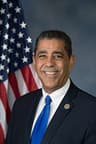 Adriano Espaillat
Democrat · New York
 Brian Fitzpatrick
Republican · Pennsylvania
 Nicole Malliotakis
Republican · New York
 LaMonica McIver
Democrat · New Jersey
 Paul Tonko
Democrat · New York