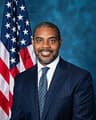
Steven Horsford (D-NV)
Baby Hygiene Tax Relief Act
A Democratic bill with 7 Democratic cosponsors · See all 7 cosponsors
Last activity — Referred to the Committee on Ways and Means, and in addition to the Committee on Foreign Affairs, for a period to be subsequently determined by the Speaker, in each case for consideration of such provisions as fall within the jurisdiction of the committee concerned.
In committee
Introduced and handed to a committee in the chamber it started in.
The committee holds it, and most bills are never heard from again. A hearing or a committee vote would be news; silence is the usual outcome, and it kills the bill without anyone voting against it.
Its path through Congress
- Introduced
- In Committee
What this bill would do
The "Baby Hygiene Tax Relief Act" aims to stop the President from charging duties on specific baby hygiene products. Under this bill, the President would be prohibited from imposing new duties on these items using the International Emergency Economic Powers Act. Additionally, the bill requires the termination of any such duties that are already in place at the time the Act is passed. It also ensures that any duties imposed under other similar authorities have no force or effect. The covered items include products like diapers, wipes, and baby soap.
Yes· 3 of 7
- Scored +3
Would households on low incomes be better off under this?
The bill provides financial relief by eliminating taxes on necessary baby supplies like diapers and soap.
- Scored +3
Does this cut taxes for middle-income families?
The bill reduces costs for families by terminating existing duties on essential baby hygiene products.
- Scored +2
Would children be better off under this?
The bill makes essential hygiene products more affordable for children's care.
The opposite
- Scored -1
Does this leave more decisions to the states?
The bill limits the President's discretionary power to impose duties under the International Emergency Economic Powers Act.
Who it would affect, and how
Potential Positive Impacts for People
-
Elimination of Duties on Hygiene Essentials: The bill prohibits the President from imposing duties on items like diapers, baby wipes, and baby soap under the International Emergency Economic Powers Act (Section 2(a)(1)). This would prevent new taxes on these specific goods.
-
Removal of Existing Duties: The bill mandates the termination of any duties currently in effect on the listed items (Section 2(a)(2)). This could provide immediate relief for those purchasing items such as diapers, diaper liners, and diaper cream.
-
Protection Against Similar Tax Authorities: The bill ensures that duties imposed under other authorities similar to the International Emergency Economic Powers Act have no force or effect (Section 2(b)). This provides a broader shield for the listed items, which include diaper bags, changing tables, and baby towels.
Potential Negative Impacts for People
- No negative impacts are explicitly stated in the provided text.
Groups and Interests Ranking
Every group the model scored this bill for, from -10 to +10. Tap or hover a score for the reason it gave.
- Demographic And Interest Groups
- Would households on low incomes be better off under this? — The bill provides financial relief by eliminating taxes on necessary baby supplies like diapers and soap. Would children be better off under this? — The bill makes essential hygiene products more affordable for children's care. Would middle-income households be better off under this? — The bill reduces the cost of essential infant hygiene products for families.
- Economy And Finance
- Does this cut taxes for middle-income families? — The bill reduces costs for families by terminating existing duties on essential baby hygiene products. Is this likely to slow the rise in prices? — The bill may slightly lower prices for specific essential goods by eliminating import duties.
- National Security And Foreign Policy
- Does this make trade with other countries easier? — The bill removes trade barriers by prohibiting the use of emergency powers to tax specific consumer goods.
- Social Issues And Justice
- Is this likely to lift people out of poverty? — The bill reduces the financial burden on families by eliminating duties on essential baby products.
- Governance And Ideology
- Does this leave more decisions to the states? — The bill limits the President's discretionary power to impose duties under the International Emergency Economic Powers Act.
- 10/3/2025
- 1 Cosponsor added.
- 9/11/2025
- 1 Cosponsor added.
- 7/23/2025
- Referred to the Committee on Ways and Means, and in addition to the Committee on Foreign Affairs, for a period to be subsequently determined by the Speaker, in each case for consideration of such provisions as fall within the jurisdiction of the committee concerned.
- 5 Cosponsors added.
- Introduced in House
 Shomari Figures
Democrat · Alabama
 Jimmy Gomez
Democrat · California
 Timothy Kennedy
Democrat · New York
 Seth Magaziner
Democrat · Rhode Island
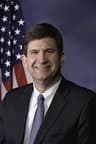 Bradley Schneider
Democrat · Illinois
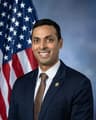 Suhas Subramanyam
Democrat · Virginia
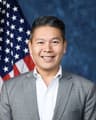 Derek Tran
Democrat · California