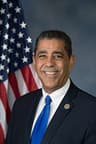
Adriano Espaillat (D-NY)
Preventing Fraudulent ICE Impersonation Act of 2025
A Democratic bill with 2 Democratic cosponsors · See all 2 cosponsors
Last activity — Referred to the House Committee on the Judiciary.
In committee
Introduced and handed to a committee in the chamber it started in.
The committee holds it, and most bills are never heard from again. A hearing or a committee vote would be news; silence is the usual outcome, and it kills the bill without anyone voting against it.
Its path through Congress
- Introduced
- In Committee
What this bill would do
The Preventing Fraudulent ICE Impersonation Act of 2025 aims to increase penalties for the unauthorized use and sale of Immigration and Customs Enforcement apparel and insignia. It makes it unlawful for unauthorized individuals to wear or possess items that could be interpreted as an attempt to impersonate a Federal law enforcement officer. The bill also prohibits the unauthorized manufacture, sale, or distribution of ICE-branded items. Violators could face fines, imprisonment, or significant civil penalties. Additionally, the Act mandates the creation of public awareness and reporting mechanisms. Finally, it requires regular studies on the issue to be submitted to Congress.
Yes· 3 of 7
- Scored +5
Would immigrants be better off under this?
The bill seeks to protect immigrant communities from the fear and confusion caused by fraudulent law enforcement impersonation.
- Scored +5
Does this give people more protection from unfair business practices?
The bill protects consumers from fraudulent activities by prohibiting the unauthorized sale of deceptive law enforcement apparel.
- Scored +4
Would Hispanic Americans be better off under this?
The bill aims to reduce fear and distrust in communities often targeted by fraudulent immigration impersonators.
The opposite
- Scored -4
Would business owners be better off under this?
The bill creates significant financial risk through civil penalties of up to $100,000 for unauthorized manufacturers or sellers.
- Scored -1
Is this likely to lift people out of poverty?
The imposition of high civil penalties and potential prison time could negatively impact low-income individuals involved in unauthorized sales.
Who it would affect, and how
Potential Positive Impacts for People
-
Increased Public Safety and Trust: By prohibiting the unauthorized use of ICE apparel and insignia, the bill seeks to reduce fear and distrust in communities caused by individuals impersonating officers (Section 2).
-
Deterrence of Fraudulent Activities: The bill establishes strict penalties, including up to 7 years in prison for impersonation and civil penalties of up to $100,000 for unauthorized sale or distribution, which aims to protect communities from fraud and abuse (Section 2 and Section 3).
-
Enhanced Sentencing for Impersonators: The bill calls for a sentencing enhancement of no less than 6 months for the impersonation of an immigration official (Section 4).
-
Improved Community Awareness and Reporting: The Secretary of Homeland Security will establish a public awareness campaign and a national reporting mechanism, including a hotline and online portal, to help communities report impersonation activities (Section 5).
-
Ongoing Oversight: The Comptroller General is required to conduct studies every 180 days to identify underlying factors and potential solutions regarding the impersonation of immigration officials (Section 5).
Potential Negative Impacts for People
-
Criminal Penalties for Possession: Individuals who are not Department of Homeland Security employees could face up to 7 years in prison for possessing or wearing items that could be reasonably interpreted as an attempt to impersonate an officer (Section 3).
-
Financial Burdens on Entities: Any individual or entity that manufactures or sells ICE-branded apparel without express authorization from the Department of Homeland Security could be subject to civil penalties of up to $100,000 per violation (Section 3).
-
Loss of Property: Any unauthorized ICE apparel or insignia can be subject to seizure and forfeiture (Section 4).
Groups and Interests Ranking
Every group the model scored this bill for, from -10 to +10. Tap or hover a score for the reason it gave.
- Demographic And Interest Groups
- Would immigrants be better off under this? — The bill seeks to protect immigrant communities from the fear and confusion caused by fraudulent law enforcement impersonation. Would Hispanic Americans be better off under this? — The bill aims to reduce fear and distrust in communities often targeted by fraudulent immigration impersonators. Would households on low incomes be better off under this? — The bill aims to protect communities from fraud and fear caused by impersonators. Would business owners be better off under this? — The bill creates significant financial risk through civil penalties of up to $100,000 for unauthorized manufacturers or sellers.
- Economy And Finance
- Does this give people more protection from unfair business practices? — The bill protects consumers from fraudulent activities by prohibiting the unauthorized sale of deceptive law enforcement apparel.
- Governance And Ideology
- Does this make what the government does easier for the public to see? — The bill mandates regular studies and public reporting mechanisms to address the issue of immigration official impersonation.
- Social Issues And Justice
- Does this change how police departments operate? — The bill aims to restore community trust in law enforcement by preventing unauthorized individuals from impersonating officers. Does this tighten control of the border? — The bill targets fraudulent impersonation of immigration officials to maintain the integrity of immigration enforcement. Is this likely to lift people out of poverty? — The imposition of high civil penalties and potential prison time could negatively impact low-income individuals involved in unauthorized sales.
- 2/3/2026
- 1 Cosponsor added.
- 7/23/2025
- Referred to the House Committee on the Judiciary.
- 1 Cosponsor added.
- Introduced in House
 J. Correa
Democrat · California
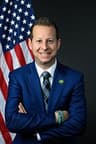 Jared Moskowitz
Democrat · Florida