A Democratic bill with 26 Democratic cosponsors · See all 26 cosponsors
Last activity — Referred to the House Committee on Energy and Commerce.
In committee
Introduced and handed to a committee in the chamber it started in.
The committee holds it, and most bills are never heard from again. A hearing or a committee vote would be news; silence is the usual outcome, and it kills the bill without anyone voting against it.
Its path through Congress
- Introduced
- In Committee
What this bill would do
The Keep Kids Covered Act aims to amend the Social Security Act to ensure continuous health coverage for certain children. It extends continuous eligibility for deemed newborns under Medicaid and CHIP from one year to six years of age. The bill also expands continuous eligibility for various children under age 19 and former foster youth. For those in the foster system, it provides coverage until they reach the age of 26. Additionally, the act requires states to maintain up-to-date contact information for enrolled individuals. These changes are set to take effect one year after the bill's enactment.
Yes· 3 of 6
- Scored +8
Would children be better off under this?
The bill significantly extends continuous health coverage for newborns through age 6 and for other children under age 19.
- Scored +7
Would households on low incomes be better off under this?
The bill provides expanded, continuous Medicaid and CHIP coverage for children in low-income families.
- Scored +7
Does this make health care easier to get in general?
The bill expands continuous eligibility for Medicaid and CHIP, ensuring longer-term health coverage for children and former foster youth.
The opposite
No question was scored the opposite.
Who it would affect, and how
Potential Positive Impacts for People
-
Extended coverage for newborns: Deemed newborns will have continuous eligibility under Medicaid and CHIP until they reach 6 years of age instead of just 1 year (Section 2(a)).
-
Continuous coverage for children under 19: The bill provides for continuous coverage for children under age 19, with specific provisions for those under age 6 to remain eligible until they turn 6 or leave the state (Section 2(b)(1)(A)).
-
Support for former foster youth: Individuals determined to be eligible as former foster youth can remain eligible for benefits until they reach age 26 or leave the state (Section 2(b)(1)(F)).
-
Improved communication and record keeping: States will be required to implement a process to obtain up-to-date contact information at least annually and inform individuals of their enrollment status and remaining eligibility duration (Section 2(c)(1)).
Potential Negative Impacts for People
- No negative impacts are explicitly stated in the provided text.
Groups and Interests Ranking
Every group the model scored this bill for, from -10 to +10. Tap or hover a score for the reason it gave.
- Demographic And Interest Groups
- Would children be better off under this? — The bill significantly extends continuous health coverage for newborns through age 6 and for other children under age 19. Would households on low incomes be better off under this? — The bill provides expanded, continuous Medicaid and CHIP coverage for children in low-income families. Would people in their twenties and thirties be better off under this? — The bill extends Medicaid eligibility for former foster youth until they reach age 26.
- Healthcare
- Does this make health care easier to get in general? — The bill expands continuous eligibility for Medicaid and CHIP, ensuring longer-term health coverage for children and former foster youth. Does this put more money into Medicaid, the health coverage for people on low incomes? — The bill extends continuous Medicaid eligibility for newborns, children under 19, and former foster youth, which increases the number of people receiving benefits.
- Social Issues And Justice
- Is this likely to lift people out of poverty? — By extending health coverage for children and former foster youth, the bill provides a vital safety net for vulnerable populations.
- 10/22/2026
- 1 Cosponsor added.
- 10/10/2025
- 1 Cosponsor added.
- 10/3/2025
- 3 Cosponsors added.
- 9/30/2025
- 4 Cosponsors added.
- 9/26/2025
- 3 Cosponsors added.
- 8/26/2025
- 1 Cosponsor added.
- 7/23/2025
- Referred to the House Committee on Energy and Commerce.
- 13 Cosponsors added.
- Introduced in House
One bill Congress.gov lists as related to this one — companions in the other chamber, earlier versions, and bills this one absorbed or was folded into.
 Nanette Barragán
Democrat · California
 Yvette Clarke
Democrat · New York
 Angie Craig
Democrat · Minnesota
 Troy Carter
Democrat · Louisiana
 Diana DeGette
Democrat · Colorado
 Christopher Deluzio
Democrat · Pennsylvania
 Debbie Dingell
Democrat · Michigan
 Maxine Dexter
Democrat · Oregon
 Lizzie Fletcher
Democrat · Texas
 Timothy Kennedy
Democrat · New York
 Greg Landsman
Democrat · Ohio
 Doris Matsui
Democrat · California
 Kevin Mullin
Democrat · California
 Robert Menendez
Democrat · New Jersey
 Jennifer McClellan
Democrat · Virginia
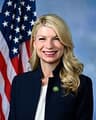 Brittany Pettersen
Democrat · Colorado
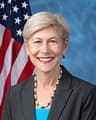 Deborah Ross
Democrat · North Carolina
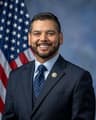 Raul Ruiz
Democrat · California
 Janice Schakowsky
Democrat · Illinois
 Darren Soto
Democrat · Florida
 Kim Schrier
Democrat · Washington
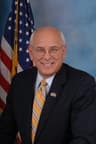 Paul Tonko
Democrat · New York
 Lori Trahan
Democrat · Massachusetts
 Jill Tokuda
Democrat · Hawaii
 Derek Tran
Democrat · California
 Marc Veasey
Democrat · Texas