Bill · H.R. 4482· House(119-HR-4482)
Stop NOAA Closures Act
- Introduced
- 7/17/2025
- Last activity
- 7/18/2025 — Referred to the Subcommittee on Economic Development, Public Buildings, and Emergency Management.
- Sponsored by
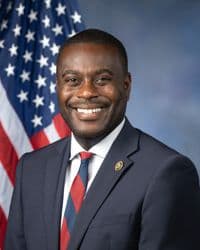
- Gabe Amo
- Cosponsors
- - 83 - 0
- Introduced
- In Committee
What this bill would do
The "Stop NOAA Closures Act" seeks to place a moratorium on certain actions regarding National Oceanic and Atmospheric Administration facilities. This includes prohibitions on closing, suspending, terminating leases, ceasing construction, or consolidating facilities. The moratorium restricts the Secretary of Commerce, the NOAA Administrator, or the Administrator of General Services from making these changes. An exception is made for temporary actions taken during emergencies that threaten the health or safety of personnel. The moratorium is set to end 180 days after a specific report is submitted to Congress. Afterward, any future facility changes would require a detailed report and justification submitted to specific Congressional committees.
Yes· 3 of 4
Does this make what the government does easier for the public to see?+3
The bill mandates detailed reporting and justification to Congress before any future facility changes can occur.
Does this better protect air, water and wildlife?+2
By preventing the closure of NOAA facilities, the bill helps ensure the continuity of environmental monitoring and data collection.
Does this improve help for people hit by a disaster?+1
Stabilizing NOAA facilities supports the agency's critical role in weather forecasting and disaster response preparedness.
The opposite
Does this reduce what the federal government spends?-2
The bill restricts administrative flexibility to consolidate or close facilities, which may prevent potential cost-saving measures.
Does this make the government pay for what it commits to?-1
The moratorium on facility changes may hinder the ability of agencies to implement more efficient and cost-effective resource allocations.
Who it would affect, and how
Potential Positive Impacts for People
-
Protection of Agency Facilities: The bill prevents the closing, suspending, or consolidating of National Oceanic and Atmospheric Administration facilities without a specific oversight process (Section 2(a)(1)).
-
Safety Protections: The bill allows for immediate action to close or limit access to facilities if there is an emergency posing an immediate threat to the health or safety of personnel (Section 2(a)(2) and Section 2(b)(3)).
-
Increased Transparency and Accountability: Before any future closures or construction cessations occur after the moratorium, officials must submit a report outlining and justifying their process to specific House and Senate committees (Section 2(b)(2)).
-
Detailed Impact Analysis: The requirement for reports ensures that officials must consider and describe cost-benefit analyses, including anticipated savings and the costs of replacing lost services (Section 2(a)(4)(B)).
Potential Negative Impacts for People
- Restrictions on Administrative Flexibility: The bill limits the ability of the Secretary of Commerce, the NOAA Administrator, or the Administrator of General Services to manage facilities through closures, lease terminations, or consolidations (Section 2(a)(1)).
Groups and Interests Ranking
Every group the model scored this bill for, from -10 to +10. Hover a score for the reason it gave.
- Economy And Finance
- Reduces Government Spending-2Improves Fiscal Responsibility-1
- Environment Energy And Infrastructure
- Improves Environmental Protections+2Improves Disaster Relief And F E M A+1
- Governance And Ideology
- Improves Government Transparency+3
- Education And Technology
- Increases Scientific Research Funding+1
- 11/12/2025
- 1 Cosponsor added.
- 9/30/2025
- 1 Cosponsor added.
- 9/26/2025
- 2 Cosponsors added.
- 9/23/2025
- 1 Cosponsor added.
- 9/19/2025
- 2 Cosponsors added.
- 9/18/2025
- 1 Cosponsor added.
- 8/15/2025
- 1 Cosponsor added.
- 8/12/2025
- 1 Cosponsor added.
- 8/8/2025
- 1 Cosponsor added.
- 7/29/2025
- 2 Cosponsors added.
- 7/23/2025
- 3 Cosponsors added.
- 7/22/2025
- 1 Cosponsor added.
- 7/21/2025
- 3 Cosponsors added.
- 7/18/2025
- Referred to the Subcommittee on Economic Development, Public Buildings, and Emergency Management.
- 7/17/2025
- Referred to the Committee on Natural Resources, and in addition to the Committees on Science, Space, and Technology, and Transportation and Infrastructure, for a period to be subsequently determined by the Speaker, in each case for consideration of such provisions as fall within the jurisdiction of the committee concerned.
- 63 Cosponsors added.
- Introduced in House
 Yassamin Ansari
Democrat · Arizona
 Suzanne Bonamici
Democrat · Oregon
 Julia Brownley
Democrat · California
 Donald Beyer
Democrat · Virginia
 Nanette Barragán
Democrat · California
 Becca Balint
Democrat · Vermont
 Wesley Bell
Democrat · Missouri
 Ed Case
Democrat · Hawaii
 Jim Costa
Democrat · California
 Emanuel Cleaver
Democrat · Missouri
 Kathy Castor
Democrat · Florida
 Yvette Clarke
Democrat · New York
 Steve Cohen
Democrat · Tennessee
 Judy Chu
Democrat · California
 J. Correa
Democrat · California
 Salud Carbajal
Democrat · California
 Troy Carter
Democrat · Louisiana
 Sheila Cherfilus-McCormick
Democrat · Florida
 Danny Davis
Democrat · Illinois
 Debbie Dingell
Democrat · Michigan
 Maxine Dexter
Democrat · Oregon
 Dwight Evans
Democrat · Pennsylvania
 Adriano Espaillat
Democrat · New York
 Sarah Elfreth
Democrat · Maryland
 Cleo Fields
Democrat · Louisiana
 Lois Frankel
Democrat · Florida
 Lizzie Fletcher
Democrat · Texas
 Maxwell Frost
Democrat · Florida
 Valerie Foushee
Democrat · North Carolina
 Laura Friedman
Democrat · California
 John Garamendi
Democrat · California
 Sylvia Garcia
Democrat · Texas
 Jared Huffman
Democrat · California
 Pablo Hernández
Democrat · Puerto Rico
 Glenn Ivey
Democrat · Maryland
 Henry Johnson
Democrat · Georgia
 Pramila Jayapal
Democrat · Washington
 Sara Jacobs
Democrat · California
 Marcy Kaptur
Democrat · Ohio
 William Keating
Democrat · Massachusetts
 Raja Krishnamoorthi
Democrat · Illinois
 Timothy Kennedy
Democrat · New York
 Zoe Lofgren
Democrat · California
 John Larson
Democrat · Connecticut
 Stephen Lynch
Democrat · Massachusetts
 Greg Landsman
Democrat · Ohio
 George Latimer
Democrat · New York
 Seth Magaziner
Democrat · Rhode Island
 Kevin Mullin
Democrat · California
 LaMonica McIver
Democrat · New Jersey
 April McClain Delaney
Democrat · Maryland
 Sarah McBride
Democrat · Delaware
 Eleanor Norton
Democrat · District of Columbia
 Joe Neguse
Democrat · Colorado
 Frank Pallone
Democrat · New Jersey
 Stacey Plaskett
Democrat · Virgin Islands
 Jimmy Panetta
Democrat · California
 Brittany Pettersen
Democrat · Colorado
 Deborah Ross
Democrat · North Carolina
 Emily Randall
Democrat · Washington
 Adam Smith
Democrat · Washington
 Janice Schakowsky
Democrat · Illinois
 Marilyn Strickland
Democrat · Washington
 Mary Gay Scanlon
Democrat · Pennsylvania
 Greg Stanton
Democrat · Arizona
 Haley Stevens
Democrat · Michigan
 Kim Schrier
Democrat · Washington
 Emilia Sykes
Democrat · Ohio
 Eric Sorensen
Democrat · Illinois
 Andrea Salinas
Democrat · Oregon
 Suhas Subramanyam
Democrat · Virginia
 Lateefah Simon
Democrat · California
 Dina Titus
Democrat · Nevada
 Paul Tonko
Democrat · New York
 Mark Takano
Democrat · California
 Rashida Tlaib
Democrat · Michigan
 Ritchie Torres
Democrat · New York
 Jill Tokuda
Democrat · Hawaii
 Nydia Velázquez
Democrat · New York
 Juan Vargas
Democrat · California
 Debbie Wasserman Schultz
Democrat · Florida
 Bonnie Watson Coleman
Democrat · New Jersey
 James Walkinshaw
Democrat · Virginia