Bill · H.R. 4417· House(119-HR-4417)
Mobile Cancer Screening Act
- Introduced
- 7/15/2025
- Last activity
- 7/15/2025 — Referred to the House Committee on Energy and Commerce.
- Sponsored by
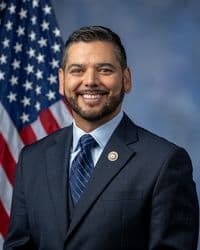
- Raul Ruiz
- Cosponsors
- - 3 - 2
- Introduced
- In Committee
What this bill would do
The Mobile Cancer Screening Act aims to amend the Public Health Service Act to improve access to cancer screenings. It directs the Secretary of Health and Human Services to award grants, contracts, or cooperative agreements to support new mobile cancer screening units. These units are intended to expand essential screening services in rural and underserved communities. The program prioritizes applicants who can impact patient mortality and those serving populations in rural areas or those served by the Indian Health Service. Eligible entities must also be able to provide follow-up care for abnormal findings within 90 minutes by ground transportation.
Yes· 3 of 8
Would Native Americans be better off under this?+7
The bill specifically prioritizes areas served by the Indian Health Service.
Would people in rural areas be better off under this?+7
The bill prioritizes the expansion of screening services specifically for rural areas.
Does this make health care easier to get in general?+7
The bill expands access to essential cancer screenings through mobile units in underserved areas.
The opposite
No question was scored the opposite.
Who it would affect, and how
Potential Positive Impacts for People
-
Expanded Access to Essential Screenings: The bill directs the Secretary to award funds for mobile cancer screening units to expand patient access to essential screening services in rural and underserved areas (Section 3, subsection a).
-
Support for High-Risk and Underserved Populations: The Secretary is instructed to prioritize applicants serving underserved populations, including rural areas and areas served by the Indian Health Service (Section 3, subsection e).
-
Improved Patient Outcomes: The bill seeks to prioritize applicants with the highest potential impact on patient mortality and screening gaps for high-risk individuals (Section 3, subsection e).
-
Comprehensive Care Capabilities: The bill prioritizes applicants who can provide comprehensive follow-up care for abnormal findings within 90 minutes of the mobile unit via ground transportation (Section 3, subsection e).
Potential Negative Impacts for People
- Financial Matching Requirement for Entities: To receive an award, an eligible entity must agree to contribute money from non-Federal sources (either in cash or in kind) at a rate of at least one dollar for every three dollars provided by the award (Section 3, subsection f).
Groups and Interests Ranking
Every group the model scored this bill for, from -10 to +10. Hover a score for the reason it gave.
- Demographic And Interest Groups
- Good For Native Americans+7Good For Rural Residents+7Good For Low Income Households+5Good For Seniors+5Good For Women+5
- Healthcare
- Improves Healthcare Access+7
- Environment Energy And Infrastructure
- Improves Rural Development+5
- Social Issues And Justice
- Improves Racial Equity+5
- 8/31/2026
- 1 Cosponsor added.
- 7/13/2026
- 1 Cosponsor added.
- 5/20/2026
- 1 Cosponsor added.
- 7/15/2025
- Referred to the House Committee on Energy and Commerce.
- 2 Cosponsors added.
- Introduced in House
One bill Congress.gov lists as related to this one — companions in the other chamber, earlier versions, and bills this one absorbed or was folded into.
 Gabe Evans
Republican · Colorado
 Valerie Foushee
Democrat · North Carolina
 Carol Miller
Republican · West Virginia
 Eleanor Norton
Democrat · District of Columbia
 Debbie Wasserman Schultz
Democrat · Florida